

Can an O-4 Buy a Home in Ewa Beach With BAH?
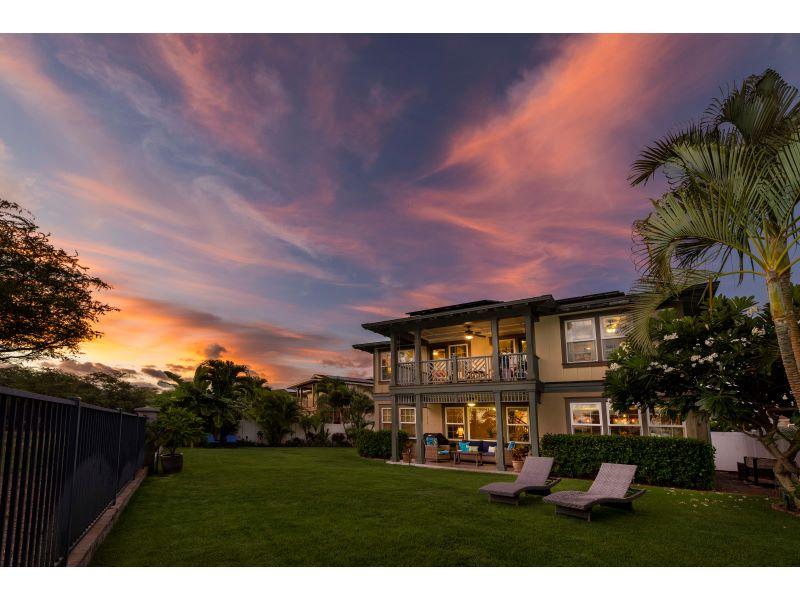
Quick answer: Many O-4 military families stationed in Hawaii consider buying in Ewa Beach because O-4 BAH provides meaningful housing flexibility when combined with a VA loan and personal financial situation.
Every family is different, but Ewa Beach remains one of the most popular communities for military buyers because of its housing variety, newer neighborhoods, and convenient access to much of West Oahu.

I help clients navigate the market with real numbers, local insight, and straightforward advice. No pressure.
O-4 Housing Scenarios in Ewa Beach
| Scenario | Potential Buying Flexibility |
|---|---|
| BAH Only | Provides a baseline starting point for evaluating homes and monthly payments. |
| BAH + Spouse Income | May expand available options depending on household finances. |
| BAH + VA Loan | Allows many military families to explore homeownership with little or no down payment. |
| Dual Military Household | May provide additional housing flexibility depending on circumstances. |
Why Many O-4 Families Consider Ewa Beach
Ewa Beach has become one of the most popular communities for military families on Oahu. Buyers are often attracted by the variety of housing options, planned communities, golf courses, beaches, and access to shopping and services throughout West Oahu.
Many military families also appreciate the ability to compare homes across a wide range of price points while remaining within a community that has a strong military presence.
As with any housing decision, commute patterns, family goals, assignment length, and financial objectives should all be considered before purchasing a home.

MaryJo McGillicuddy, Realtor Associate, Military Relocation Professional
Century 21 Island Homes
📍 91-1105 Keaunui Dr #520, Ewa Beach, HI 96706
📞 (808) 724-4629
✉️ maryjo@c21islandhomes.com
🌐 sellhomeshawaii.com
FAQs About O-4 BAH and Ewa Beach
Can an O-4 use a VA loan to buy a home in Ewa Beach?
Many military families use VA financing when purchasing homes in Ewa Beach. Eligibility and financial qualifications vary by borrower.
Is Ewa Beach popular with military families?
Yes. Ewa Beach is one of the most commonly considered communities for military buyers on Oahu.
Does BAH determine how much house I can buy?
BAH is one factor. Lenders also consider income, debts, credit profile, and other financial factors.
Should I buy before arriving in Hawaii?
Some military families do, while others prefer to rent first and learn the island before purchasing.
Explore More Military Housing Guides
I help clients navigate the market with real numbers, local insight, and straightforward advice. No pressure.
MRP Certification Explained for Hawaii Military Families

Quick answer: MRP stands for Military Relocation Professional. For Hawaii military families, it is a useful Realtor certification because PCS timelines, VA loans, BAH budgeting, and Oahu commute decisions can all affect the home buying process.
MRP certification is a strong baseline, but families should also look for local Hawaii experience, clear communication, VA loan familiarity, and real knowledge of Oahu neighborhoods and commute patterns.
I help clients navigate the market with real numbers, local insight, and straightforward advice. No pressure.
Military Realtor Evaluation Checklist
| Question | Why It Matters |
|---|---|
| MRP Certified? | Shows military relocation training |
| VA Loan Experience? | VA transactions have unique requirements |
| Knows Oahu Commutes? | Commute decisions affect daily quality of life |
| Worked With PCS Buyers? | Many military buyers purchase remotely |
| Responsive Communication? | Military timelines can move quickly |
| Knows BAH Buying Power? | Helps families match budget to neighborhoods |
MaryJo McGillicuddy, Realtor Associate, Military Relocation Professional
Century 21 Island Homes
📍 91-1105 Keaunui Dr #520, Ewa Beach, HI 96706
📞 (808) 724-4629
✉️ maryjo@c21islandhomes.com
🌐 sellhomeshawaii.com
FAQs About MRP Certification
What does MRP stand for?
MRP stands for Military Relocation Professional, a certification offered through the National Association of Realtors.
Does MRP certification mean a Realtor is an expert?
Not necessarily. It shows military relocation training, but buyers should also evaluate experience and local knowledge.
Should military families only work with MRP-certified Realtors?
Not always. MRP certification is a good starting point, but experience helping military families can be equally important.
Why does military relocation experience matter?
Military moves often involve compressed timelines, remote transactions, VA financing, and housing decisions tied to duty stations.
Explore More Military Relocation Resources
- Best Ewa Beach Realtor for Military Families
- Best Realtor for PCS to Hawaii
- PCSing to Hawaii
- VA Loan Hawaii Guide
- Best Places to Live on Oahu for Military Families
- Oahu Commute Reality Check
Useful BAH Pages
If you are trying to understand how Basic Allowance for Housing works on Oahu, these pages can help you compare BAH, home prices, military communities, and realistic buying options near Hawaii bases.
Start here for the current Honolulu County BAH rates. Can You Buy a Home on Oahu With BAH?
A practical look at using BAH toward a mortgage in Hawaii. Can You Live Off BAH Alone on Oahu?
What BAH covers, what it does not, and where families need to be realistic. How Does Dual BAH Work in Hawaii?
For dual-military families trying to understand housing allowance options. Is Officer BAH Enough to Buy on Oahu?
A better question than “what is my max budget?” Can an O-4 Buy in Kapolei With BAH?
A rank-specific look at Kapolei affordability. O-5 BAH at Schofield Barracks
Buying power and housing options for field-grade officers near Schofield. E-9 BAH at MCBH Kaneohe Bay
Senior enlisted BAH and Windward Oahu home-buying reality. Where Do Military Families Live on Oahu?
Compare the major communities military families consider. Communities Near Schofield Barracks
Mililani, Wahiawa, Ewa Beach, Kapolei, and other options.
Need help comparing BAH, commute, and home prices? Contact MaryJo McGillicuddy for local Oahu guidance.
I help clients navigate the market with real numbers, local insight, and straightforward advice. No pressure.
Kailua vs Hawaii Kai Which Oahu Lifestyle Fits You Best

Quick answer: Kailua and Hawaii Kai both offer highly desirable Oahu lifestyles, but they feel different day to day. Kailua is often associated with Windward beach-town living, while Hawaii Kai is often associated with East Oahu marina, ocean, and town access.
Many buyers compare both because they want strong lifestyle value, outdoor access, and a residential setting outside central Honolulu.
I help clients navigate the market with real numbers, local insight, and straightforward advice. No pressure.
Kailua vs Hawaii Kai at a Glance
| Category | Kailua | Hawaii Kai |
|---|---|---|
| General Setting | Windward beach-town living | East Oahu marina and coastal living |
| Housing Mix | Single-family homes, cottages, townhomes, and luxury homes | Condos, townhomes, marina homes, single-family homes, and luxury properties |
| Lifestyle | Beach, local shops, outdoor routine, and Windward feel | Marina, ocean access, shopping, dining, and East Oahu convenience |
| Commute Pattern | Windward access with routes toward Kaneohe and Honolulu | East Oahu access toward Honolulu and the south shore |
| Why Buyers Consider It | Beach lifestyle and Windward charm | Water-oriented lifestyle and town access |
Why Buyers Compare Kailua and Hawaii Kai
Kailua and Hawaii Kai are both lifestyle-driven markets. Buyers often compare them because they want access to outdoor living, strong scenery, and a home base that feels different from dense urban Honolulu.
Kailua often appeals to buyers who want Windward beach-town energy, local shops, and a relaxed outdoor routine. Hawaii Kai often appeals to buyers who want East Oahu access, marina living, ocean activities, and a convenient route toward town.
Neither choice is better for everyone. Kailua and Hawaii Kai simply solve different lifestyle problems. The right fit depends on commute, budget, housing style, and what you want your normal week to feel like.
MaryJo McGillicuddy, Realtor Associate, Military Relocation Professional
Century 21 Island Homes
📍 91-1105 Keaunui Dr #520, Ewa Beach, HI 96706
📞 (808) 724-4629
✉️ maryjo@c21islandhomes.com
🌐 sellhomeshawaii.com
Explore More Kailua, Hawaii Kai, and Oahu Luxury Guides
If you are comparing Kailua and Hawaii Kai, these guides can help you understand nearby price points, lifestyle differences, and luxury buying decisions on Oahu.
Explore Each Community
Compare Kailua Price Points
Understand Oahu Luxury Choices
FAQs About Kailua vs Hawaii Kai
Why do buyers compare Kailua and Hawaii Kai?
Buyers compare them because both offer strong lifestyle appeal, outdoor access, and residential settings outside central Honolulu.
Is Kailua more Windward and Hawaii Kai more East Oahu?
Yes. Kailua is on Windward Oahu, while Hawaii Kai is located in East Oahu.
Do both areas have luxury homes?
Yes. Both Kailua and Hawaii Kai include luxury homes, although the property types and lifestyle feel can be different.
Is one community better than the other?
No. The better fit depends on the buyer's commute, budget, housing style, and preferred daily lifestyle.
I help clients navigate the market with real numbers, local insight, and straightforward advice. No pressure.
Ewa Beach vs Mililani Which Oahu Community Fits Your Lifestyle
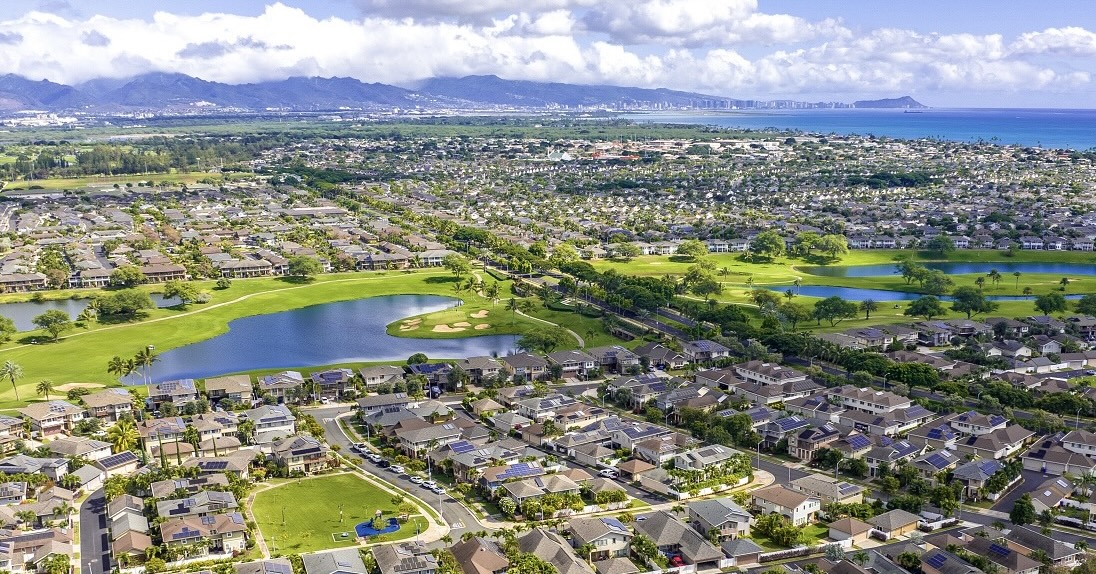
Quick answer: Ewa Beach and Mililani are both popular Oahu communities, but they offer different daily routines. Ewa Beach is often chosen for coastal West Oahu living, while Mililani is often chosen for Central Oahu convenience.
The right choice depends on commute, budget, housing style, and how you want daily life to feel.
I help clients navigate the market with real numbers, local insight, and straightforward advice. No pressure.
Ewa Beach vs Mililani at a Glance
| Category | Ewa Beach | Mililani |
|---|---|---|
| General Setting | Coastal West Oahu | Central Oahu planned community |
| Housing Mix | Single-family homes, townhomes, and newer communities | Single-family homes, townhomes, and established planned neighborhoods |
| Lifestyle | Coastal access, golf, newer neighborhoods, and West Oahu growth | Parks, recreation, central access, and community amenities |
| Military Connection | Considered by many JBPHH and West Oahu military families | Considered by many Schofield, Wheeler, and Central Oahu military families |
| Why Buyers Consider It | Coastal lifestyle and housing variety | Central location and planned community feel |
Why Buyers Compare Ewa Beach and Mililani
Ewa Beach and Mililani are not next-door communities, but buyers often compare them because both offer strong residential options outside urban Honolulu.
Ewa Beach often appeals to buyers who want newer neighborhoods, coastal access, and West Oahu living. Mililani often appeals to buyers who want Central Oahu access, planned community amenities, and a location that works for multiple commute directions.
This is not about which area is better. It is about lifestyle fit. If coastal living and newer communities matter most, Ewa Beach may stand out. If central access and community amenities matter most, Mililani may be a strong fit.
MaryJo McGillicuddy, Realtor Associate, Military Relocation Professional
Century 21 Island Homes
📍 91-1105 Keaunui Dr #520, Ewa Beach, HI 96706
📞 (808) 724-4629
✉️ maryjo@c21islandhomes.com
🌐 sellhomeshawaii.com
Explore More Ewa Beach, Mililani, and Oahu Buying Guides
If you are comparing Ewa Beach and Mililani, these guides can help you understand housing options, price points, and lifestyle decisions across Oahu.
Explore Each Community
Compare Nearby Oahu Choices
Compare Price Points
FAQs About Ewa Beach vs Mililani
Why do buyers compare Ewa Beach and Mililani?
Buyers often compare them because both offer strong residential options outside Honolulu, but they provide different lifestyles and commute patterns.
Is Ewa Beach closer to the coast than Mililani?
Yes. Ewa Beach is a coastal West Oahu community, while Mililani is located in Central Oahu.
Do military families consider both Ewa Beach and Mililani?
Yes. Military families may consider both depending on base assignment, commute preference, budget, and housing needs.
Is one community better than the other?
No. The better fit depends on what matters most to the buyer, including commute, housing style, lifestyle, and daily routine.
I help clients navigate the market with real numbers, local insight, and straightforward advice. No pressure.
Kailua vs Kaneohe Which Windward Oahu Community Fits Your Lifestyle
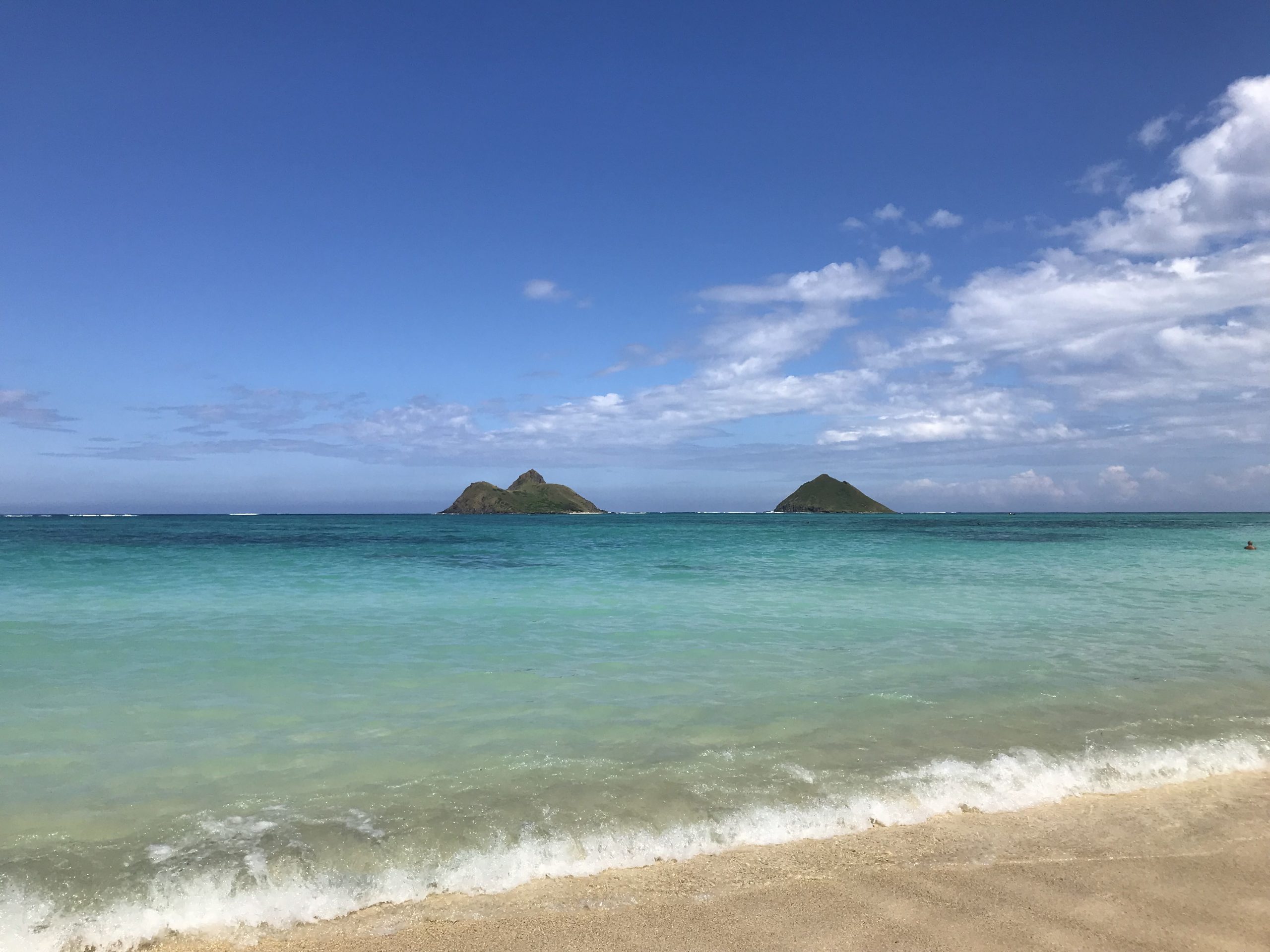
Quick answer: Kailua and Kaneohe both offer Windward Oahu living, but they feel different day to day. Kailua is often associated with beach lifestyle and local town energy, while Kaneohe offers bay views, mountain scenery, and practical access to MCBH.
Many buyers compare both communities because they are close together but offer different versions of Windward living.
I help clients navigate the market with real numbers, local insight, and straightforward advice. No pressure.
Kailua vs Kaneohe at a Glance
| Category | Kailua | Kaneohe |
|---|---|---|
| General Setting | Beach town lifestyle | Bay, mountains, and Windward access |
| Housing Mix | Single-family homes, cottages, townhomes, and luxury homes | Single-family homes, townhomes, condos, and hillside homes |
| Lifestyle | Beach, shops, dining, and outdoor routine | Scenic setting, bay access, shopping, and commute flexibility |
| Military Connection | Considered by many MCBH families | Close access to Marine Corps Base Hawaii Kaneohe |
| Why Buyers Consider It | Lifestyle and beach access | Location balance, scenery, and practical access |
Why Buyers Compare Kailua and Kaneohe
Kailua and Kaneohe are close enough that many buyers look at both. The difference is usually not about better or worse. It is about daily routine.
Kailua often appeals to buyers who want beach access, walkable town energy, and a lifestyle centered around outdoor living. Kaneohe often appeals to buyers who want Windward scenery, bay and mountain views, and convenient access to MCBH Kaneohe.
Both can be strong choices. The right fit depends on commute, budget, housing style, and how you want your ordinary weekdays to feel.
MaryJo McGillicuddy, Realtor Associate, Military Relocation Professional
Century 21 Island Homes
📍 91-1105 Keaunui Dr #520, Ewa Beach, HI 96706
📞 (808) 724-4629
✉️ maryjo@c21islandhomes.com
🌐 sellhomeshawaii.com
Explore More Windward Oahu and Luxury Guides
If you are comparing Kailua and Kaneohe, these guides can help you understand Windward Oahu, nearby price points, and related lifestyle decisions.
Explore Windward Communities
Compare Kailua Price Points
Understand Oahu Luxury and Lifestyle
FAQs About Kailua vs Kaneohe
Are Kailua and Kaneohe close to each other?
Yes. Kailua and Kaneohe are both on Windward Oahu and are commonly compared by buyers who want to live on that side of the island.
Why do buyers compare Kailua and Kaneohe?
Buyers compare them because both offer Windward Oahu living, but they differ in lifestyle, housing mix, and daily routine.
Do military families stationed at Kaneohe consider both areas?
Yes. Many military families stationed at MCBH Kaneohe consider both Kailua and Kaneohe depending on commute, budget, and housing preferences.
Is one community better than the other?
No. The better fit depends on what the buyer values most, including commute, beach access, scenery, housing style, and budget.
I help clients navigate the market with real numbers, local insight, and straightforward advice. No pressure.
Popular Communities Near Marine Corps Base Hawaii Kaneohe
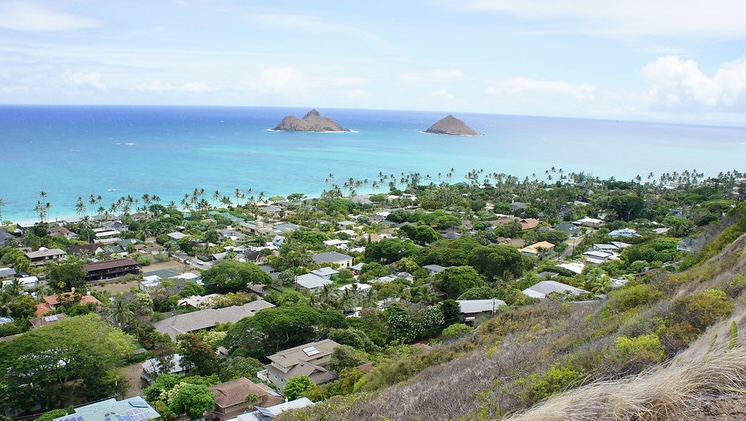
Quick answer: Many military families stationed at Marine Corps Base Hawaii Kaneohe consider Kaneohe, Kailua, Hawaii Kai, Aiea, and Ewa Beach. Each offers a different mix of commute, housing style, and daily lifestyle.
The right choice depends on your budget, commute tolerance, family needs, and whether you prefer Windward living, town access, or more space in West Oahu.
I help clients navigate the market with real numbers, local insight, and straightforward advice. No pressure.
Popular Areas Military Families Consider Near MCBH Kaneohe
| Community | Why Families Consider It | Housing Feel |
|---|---|---|
| Kaneohe | Close access to Marine Corps Base Hawaii and Windward Oahu | Single-family homes, townhomes, condos, and established neighborhoods |
| Kailua | Beach lifestyle, local shops, and Windward living | Single-family homes, cottages, townhomes, and select luxury properties |
| Hawaii Kai | East Oahu location with marina, ocean, and town access | Condos, townhomes, single-family homes, and luxury homes |
| Aiea | Central access to multiple parts of Oahu | Homes, townhomes, and condos with practical commute options |
| Ewa Beach | West Oahu housing variety and newer communities | Single-family homes, townhomes, and planned communities |
How Families Usually Compare These Options
Families stationed at MCBH Kaneohe often start by looking at Kaneohe and Kailua because of their Windward location and access to base. These areas can make daily life feel simpler for families who want to stay closer to Kaneohe Bay.
Hawaii Kai is a different option. It offers East Oahu living with ocean, marina, and town access. Aiea gives families a more central position on the island. Ewa Beach may appeal to buyers who want more housing variety or newer West Oahu communities.
The point is not that one area is better than another. The decision comes down to commute, housing style, budget, and the kind of daily routine that fits your family.
MaryJo McGillicuddy, Realtor Associate, Military Relocation Professional
Century 21 Island Homes
📍 91-1105 Keaunui Dr #520, Ewa Beach, HI 96706
📞 (808) 724-4629
✉️ maryjo@c21islandhomes.com
🌐 sellhomeshawaii.com
Explore More Kaneohe, PCS, and Oahu Housing Guides
If you are comparing communities near Marine Corps Base Hawaii Kaneohe, these guides will help you understand military housing, BAH, commute decisions, and Windward Oahu living.
Start With Kaneohe and PCS Guides
- Living Near Marine Corps Base Hawaii Kaneohe Bay
- Kaneohe BAH Guide
- PCSing to Hawaii Guide
- Oahu Commute Reality Check
Compare Nearby Communities
- Kaneohe Real Estate
- Kailua Real Estate
- Hawaii Kai Real Estate
- Aiea Real Estate
- Ewa Beach Real Estate
Understand Buying With BAH
FAQs About Popular Communities Near Marine Corps Base Hawaii Kaneohe
What communities do military families often consider near MCBH Kaneohe?
Military families often consider Kaneohe, Kailua, Hawaii Kai, Aiea, and Ewa Beach depending on commute, budget, and lifestyle needs.
Do many families stationed at Kaneohe look at Kailua?
Yes. Kailua is commonly considered because it offers Windward living, beach access, and a lifestyle many buyers want on Oahu.
Can families stationed at Kaneohe live outside Windward Oahu?
Yes. Some families consider areas outside Windward Oahu if they prefer a different commute, housing style, or daily routine.
Should I choose housing before arriving on Oahu?
You can narrow your options before arriving, but it helps to compare commute, layout, and daily routine before making a final decision.
I help clients navigate the market with real numbers, local insight, and straightforward advice. No pressure.
Ewa Beach vs Kapolei Which Oahu Community Fits Your Lifestyle
Quick answer: Ewa Beach and Kapolei are both popular West Oahu communities, but they offer different experiences. Many buyers find themselves comparing the two before deciding where they want to live.
Both areas offer a wide range of housing options, convenient access to daily services, and strong appeal for military and local families alike.
I help clients navigate the market with real numbers, local insight, and straightforward advice. No pressure.
Ewa Beach vs Kapolei at a Glance
| Category | Ewa Beach | Kapolei |
|---|---|---|
| General Setting | Coastal West Oahu | Inland West Oahu hub |
| Housing Mix | Single-family homes, townhomes, planned communities | Single-family homes, townhomes, condos |
| Lifestyle | Beach-oriented lifestyle | Convenience-oriented lifestyle |
| Shopping & Services | Local shopping and neighborhood services | Major shopping, dining, and services |
| Why Buyers Consider It | Coastal living and newer communities | Central West Oahu location and convenience |
Why Buyers Often Compare These Two Communities
Ewa Beach and Kapolei share many similarities. Both are located in West Oahu, both have experienced significant growth, and both offer a variety of housing options across multiple price points.
The biggest difference is often daily lifestyle. Buyers who enjoy being closer to the coast frequently gravitate toward Ewa Beach. Buyers who prioritize proximity to shopping, dining, entertainment, and services often find themselves looking more closely at Kapolei.
Neither choice is inherently better. Both communities continue to attract buyers because they offer different versions of what many people are looking for when moving to West Oahu.
MaryJo McGillicuddy, Realtor Associate, Military Relocation Professional
Century 21 Island Homes
📍 91-1105 Keaunui Dr #520, Ewa Beach, HI 96706
📞 (808) 724-4629
✉️ maryjo@c21islandhomes.com
🌐 sellhomeshawaii.com
Explore More West Oahu Communities
If you are comparing Ewa Beach and Kapolei, these guides can help you better understand housing options, neighborhoods, and local lifestyle differences across West Oahu.
Learn More About Each Community
Compare Home Prices
Compare Nearby Communities
FAQs About Ewa Beach vs Kapolei
Are Ewa Beach and Kapolei close to each other?
Yes. The two communities are adjacent and many buyers consider both during their home search.
Why do buyers compare Ewa Beach and Kapolei?
Both communities offer a wide variety of housing options and are among the most popular places to live in West Oahu.
Is one community better than the other?
Not necessarily. The right choice depends on personal preferences, housing goals, and lifestyle priorities.
Do military families consider both areas?
Yes. Both Ewa Beach and Kapolei are frequently considered by military families stationed on Oahu.
I help clients navigate the market with real numbers, local insight, and straightforward advice. No pressure.
Popular Communities Near Schofield Barracks for Military Families
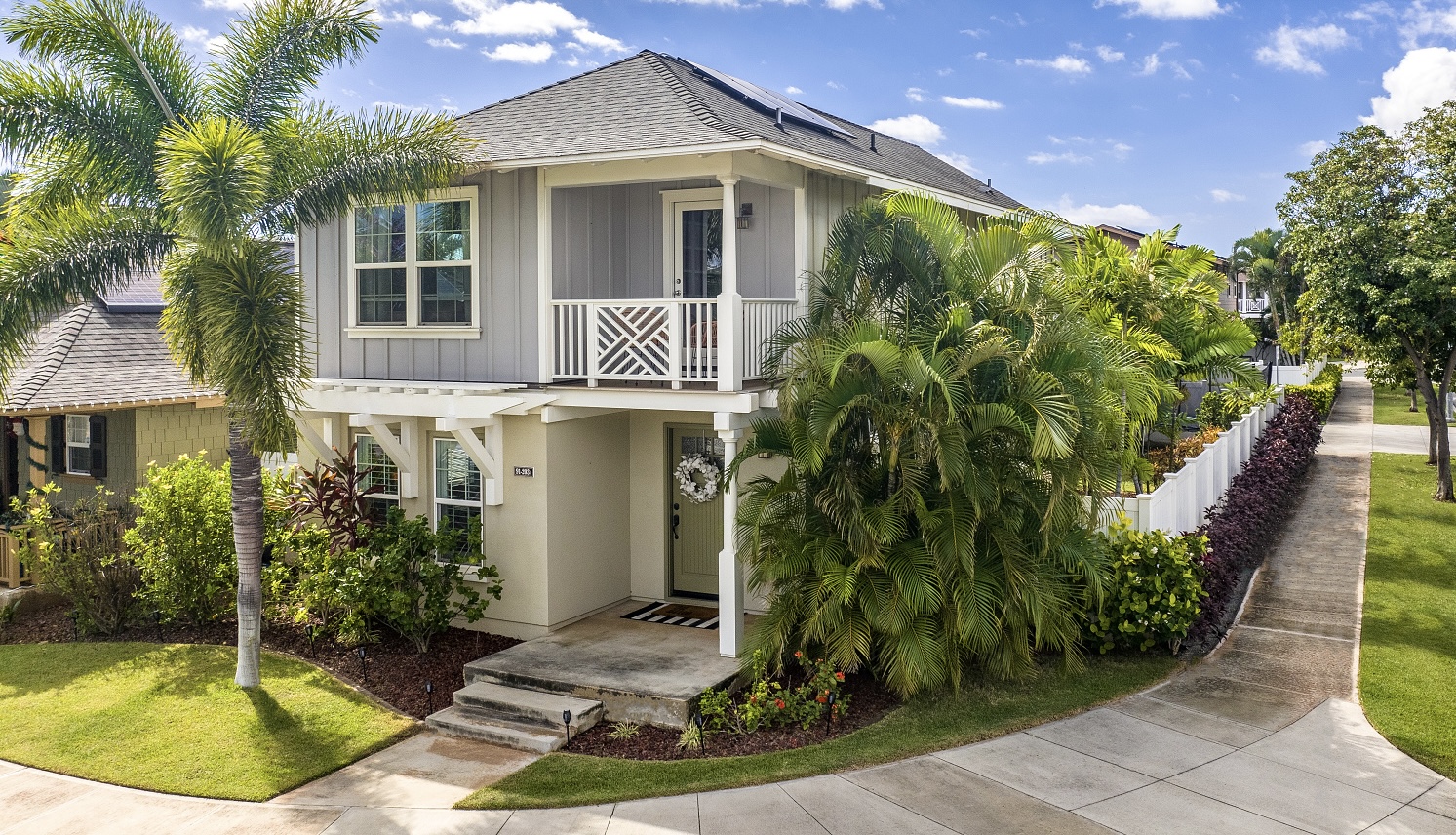
Quick answer: Many military families stationed at Schofield Barracks consider Mililani, Wahiawa, Pearl City, Kapolei, and Ewa Beach. Each community offers a different combination of housing options, commute patterns, and daily lifestyle.
There is no one-size-fits-all answer. The right choice depends on your budget, family needs, and how you want to spend your time when you are not on base.
I help clients navigate the market with real numbers, local insight, and straightforward advice. No pressure.
Popular Communities Military Families Often Consider Near Schofield Barracks
| Community | Housing Style | Location Advantages | Lifestyle Highlights |
|---|---|---|---|
| Mililani | Single-family homes, townhomes, planned communities | Central Oahu location | Parks, recreation, community amenities |
| Wahiawa | Mix of housing types and price points | Near Schofield Barracks | Central location with established neighborhoods |
| Pearl City | Homes, townhomes, and condos | Access to Central and South Oahu | Convenient shopping and services |
| Kapolei | Newer communities and modern homes | West Oahu growth area | Shopping, dining, and recreation |
| Ewa Beach | Large variety of newer neighborhoods | West Oahu coastal location | Beach access and community living |
How Families Usually Narrow Their Choices
Most military families begin with commute distance, but the final decision usually comes down to lifestyle. Some prefer to stay closer to Schofield Barracks. Others are willing to drive farther in exchange for newer homes, different community layouts, or proximity to other parts of Oahu.
Mililani is often considered because of its central location and community amenities. Wahiawa appeals to families who want to remain close to base. Pearl City provides convenient access to multiple parts of the island, while Kapolei and Ewa Beach attract buyers looking at newer West Oahu communities.
The good news is that there are several strong options. The best fit depends on your family's priorities, budget, and daily routine.
MaryJo McGillicuddy, Realtor Associate, Military Relocation Professional
Century 21 Island Homes
📍 91-1105 Keaunui Dr #520, Ewa Beach, HI 96706
📞 (808) 724-4629
✉️ maryjo@c21islandhomes.com
🌐 sellhomeshawaii.com
Explore More Military Housing and PCS Resources
If you are considering communities near Schofield Barracks, these guides can help you compare neighborhoods, understand BAH, and prepare for your move to Oahu.
Military Housing Guides
- Schofield Barracks BAH Guide
- What Is Hawaii BAH?
- Can You Buy a Home on Oahu With BAH?
- Can BAH Cover Rent on Oahu?
Popular Communities
PCS Resources
FAQs About Communities Near Schofield Barracks
What communities do military families often consider near Schofield Barracks?
Many military families consider Mililani, Wahiawa, Pearl City, Kapolei, and Ewa Beach depending on housing preferences and commute considerations.
Is Mililani popular with military families?
Mililani is commonly considered because of its central location, community amenities, and access to different parts of Oahu.
Do some families choose West Oahu instead of living near Schofield?
Yes. Some families choose communities such as Kapolei or Ewa Beach because they prefer the housing options and lifestyle available there.
Should I rent or buy after arriving at Schofield Barracks?
The answer depends on your assignment length, financial goals, and housing needs. Many military families evaluate both options before making a decision.
I help clients navigate the market with real numbers, local insight, and straightforward advice. No pressure.
Popular Communities Near JBPHH for Military Families
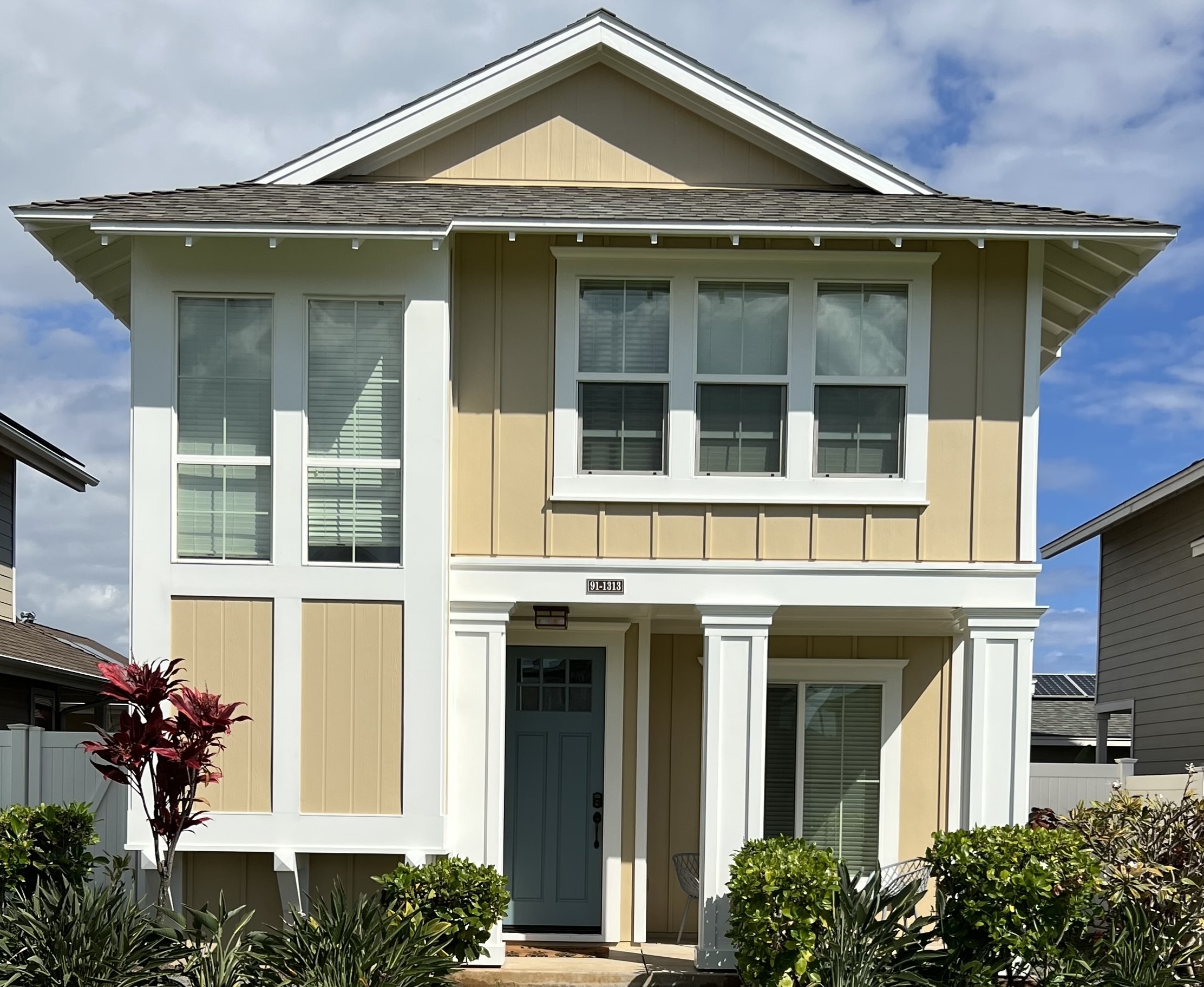
Quick answer: Many military families stationed at JBPHH consider Aiea, Pearl City, Ewa Beach, Kapolei, Mililani, and Honolulu because each offers a different mix of commute, housing style, and daily convenience.
There is no single right answer. The best fit depends on your timeline, budget, commute tolerance, and what kind of daily life you want on Oahu.
I help clients navigate the market with real numbers, local insight, and straightforward advice. No pressure.
Popular Areas Military Families Consider Near JBPHH
| Community | Why Families Consider It | Housing Feel |
|---|---|---|
| Aiea | Close access to JBPHH and central Oahu routes | Mix of single-family homes, townhomes, and condos |
| Pearl City | Central location with practical daily access | Established homes and convenient neighborhood layout |
| Ewa Beach | Coastal lifestyle and many newer communities | Single-family homes, townhomes, and planned communities |
| Kapolei | Shopping, services, newer homes, and West Oahu convenience | Modern layouts and planned neighborhoods |
| Mililani | Central Oahu location and access toward Schofield or town | Planned community feel with established housing |
| Honolulu | Town convenience, dining, work access, and urban lifestyle | Condos, townhomes, and select single-family homes |
How Military Families Usually Sort This Decision
Most families start with commute, but the final decision usually comes down to daily routine. Some want to stay closer to JBPHH. Others are comfortable driving farther for more space, newer homes, or a different lifestyle.
Aiea and Pearl City often appeal to families who want practical access to base and central Oahu. Ewa Beach and Kapolei often appeal to families who want newer communities and more room. Mililani offers a central location that can work well for families balancing different commute directions.
Honolulu is a different choice. It can make sense for buyers or renters who want town access, condos, restaurants, and a more urban routine.
The right choice is not about which community is better. It is about which one fits your commute, budget, housing needs, and day-to-day life.
MaryJo McGillicuddy, Realtor Associate, Military Relocation Professional
Century 21 Island Homes
📍 91-1105 Keaunui Dr #520, Ewa Beach, HI 96706
📞 (808) 724-4629
✉️ maryjo@c21islandhomes.com
🌐 sellhomeshawaii.com
Explore More JBPHH, PCS, and Oahu Housing Guides
If you are comparing communities near JBPHH, these guides will help you understand military housing, BAH, commute decisions, and popular Oahu areas.
Start With JBPHH and PCS Guides
Compare Nearby Communities
- Aiea Real Estate
- Pearl City Real Estate
- Ewa Beach Real Estate
- Kapolei Real Estate
- Mililani Real Estate
Understand Buying With BAH
FAQs About Popular Communities Near JBPHH
What communities do military families often consider near JBPHH?
Military families often consider Aiea, Pearl City, Ewa Beach, Kapolei, Mililani, and Honolulu depending on commute, budget, and lifestyle needs.
Is it better to live close to JBPHH or farther west?
It depends on priorities. Living closer can reduce commute time, while areas farther west may offer more space, newer homes, or a different daily routine.
Do many JBPHH families look at Ewa Beach and Kapolei?
Yes. Ewa Beach and Kapolei are commonly considered because they offer many housing options and are popular with military families on Oahu.
Should I decide before arriving on Oahu?
You can narrow your options before arriving, but it helps to compare commute, layout, and daily routine before making a final decision.
I help clients navigate the market with real numbers, local insight, and straightforward advice. No pressure.
What Does $5.5M Get You on Oahu? View vs Estate Living
Quick answer: At $5.5M on Oahu, buyers often choose between strong view properties and larger estate-style homes, with both options offering different advantages.
The View vs Space Decision
This price point introduces a clear tradeoff. Buyers can prioritize elevated locations with strong views or shift toward larger lots and more interior space.
What Improves at This Level
Homes typically feature better positioning, larger layouts, and more refined design compared to lower price tiers.
What Buyers Must Choose
The decision often comes down to lifestyle. Some buyers prioritize views and location, while others prefer privacy and space.
Where This Budget Reaches
Buyers will find options across Kahala, Diamond Head, Kailua, and select luxury areas depending on the property type.
I help clients navigate the market with real numbers, local insight, and straightforward advice. No pressure.
What $5.5M Changes on Oahu
| Category | Around $5M | Around $5.5M |
|---|---|---|
| Location Access | Strong access to luxury areas | More consistent positioning within top locations |
| Home Quality | High-end homes with variation | More complete luxury properties |
| Views & Setting | Good positioning | More consistent view corridors and premium settings |
| Inventory Feel | Upper luxury | Refined and established luxury tier |
| Buyer Position | Selecting strong options | Choosing between top-tier properties |
Where Luxury Becomes Consistent
At $5.5M on Oahu, the conversation shifts. Buyers are no longer searching for entry points into luxury. They are operating inside it.
At lower levels, even strong homes can vary widely in finish, layout, or positioning. At this price, more properties begin to align across the board. Location, design, and overall feel start to come together in a more predictable way.
This is where buyers begin to focus less on compromises and more on preference. Ocean views, lot positioning, and architectural style become the primary decision factors.
Another shift happens in inventory. Instead of reacting to what is available, buyers are more often evaluating multiple high-quality options at the same time.
The key question at this level is not whether the home works. It is which home fits best within a set of already strong choices.
MaryJo McGillicuddy, Realtor Associate, Military Relocation Professional
Century 21 Island Homes
📍 91-1105 Keaunui Dr #520, Ewa Beach, HI 96706
📞 (808) 724-4629
✉️ maryjo@c21islandhomes.com
🌐 sellhomeshawaii.com
FAQs About $5.5M Homes on Oahu
Is $5.5M considered high-end luxury on Oahu?
Yes. $5.5M sits firmly within the high-end luxury segment, where buyers have access to well-positioned homes across top areas.
What improves compared to $5M homes?
Buyers often see more consistent quality, better positioning, and fewer compromises across properties.
What areas are common at this price point?
Depending on inventory, buyers may find homes in established luxury areas across Oahu, including both coastal and hillside locations.
Does stretching beyond $5.5M make a difference?
In some cases, higher price points can unlock more unique properties, including larger estates or more exclusive locations.
Explore More Oahu Price Points and Luxury Real Estate
If you are evaluating $5.5M homes on Oahu, you are firmly in the upper tier of the luxury market. These guides will help you compare nearby price points, understand how this level fits into the broader market, and explore similar high-end opportunities across the island.
Compare Nearby Price Points
Explore Higher-End Luxury
Understand Oahu Luxury Real Estate
- Oahu Luxury Neighborhoods
- Best Luxury Neighborhoods by Price
- Where Wealthy Buyers Live on Oahu
- Luxury Condos vs Houses
Compare Luxury Lifestyle Options
I help clients navigate the market with real numbers, local insight, and straightforward advice. No pressure.


© 2026 MoxiWorks
© CENTURY 21 2026. All rights reserved. CENTURY 21®, C21® and the CENTURY 21 Logo are registered service marks owned by Century 21 Real Estate LLC. Franchisee Legal Entity Name (not the dba) fully supports the principles of the Fair Housing Act and the Equal Opportunity Act. Each franchise is independently owned and operated. Any services or products provided by independently owned and operated franchisees are not provided by, affiliated with, or related to Century 21 Real Estate LLC nor any of its affiliated companies.
