

What Military Families Wish They Knew Before Moving to Hawaii
Quick answer: Most military families wish they knew that moving to Hawaii is not just a change of address. It is a full lifestyle shift. The families who thrive here prepare for island living, learn the local culture, and build community early.
Hawaii is beautiful, but it also has its own pace, values, and expectations. The sooner you approach your move with respect for the islands and the people who call them home, the smoother your transition will feel. This guide focuses on the real world lessons military families share after they arrive.
If you are in the middle of orders and timelines, start here first: PCSing to Hawaii. It is the central page we built to help families understand the process, reduce stress, and make smarter housing decisions on Oahu.
Hawaii Is Different. Embrace It Early.
One of the biggest surprises for military families is how different Hawaii feels from the mainland. This is not just another duty station. You are living on an island in the middle of the Pacific Ocean with a deep history, strong local culture, and a close knit sense of community.
Families who settle in fastest make an effort to learn about the islands, the traditions, and the people. Even small things matter. Understanding local customs, showing respect, and taking time to learn the history of Hawaii helps you feel connected instead of feeling like an outsider.
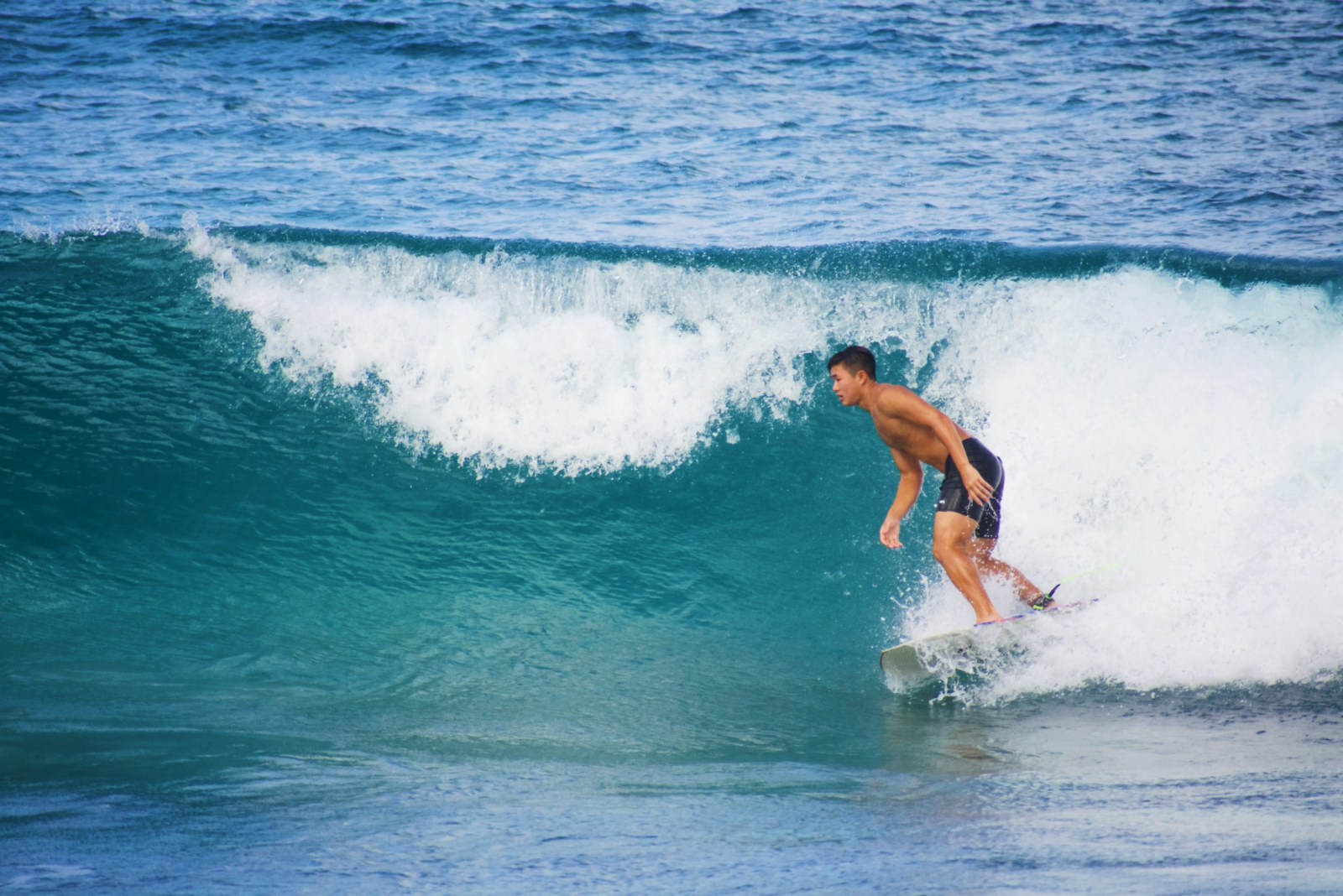
The lifestyle itself is also something special. The weather is warm year round. The ocean is part of daily life. Many families learn to surf, snorkel, paddle, or simply spend more time outdoors. When we moved here, Paul learned to surf at White Plains Beach. Over time he became part of the regular group out there. That is one of the things that makes Hawaii unique. It is a smaller community, and when you show up consistently and respectfully, people welcome you.
Most families eventually realize they are part of something bigger. Hawaii has a strong sense of ohana, which means family. Once you understand that, everything else begins to fall into place.
Commute Reality: Where Military Families Live on Oʻahu
One of the biggest decisions when moving to Oʻahu is choosing a neighborhood that balances commute time, home prices, and lifestyle. Because Oʻahu has limited highways and heavy rush hour traffic, commute times can vary significantly depending on where you live.
The table below shows typical commute ranges from popular residential areas for military families stationed at Schofield Barracks, Joint Base Pearl Harbor–Hickam (JBPHH), and Marine Corps Base Hawaii (Kaneohe Bay).
| Neighborhood | Commute to Schofield | Commute to JBPHH | Commute to MCBH Kaneohe | Typical Home Prices | Why Families Choose It |
|---|---|---|---|---|---|
| Mililani | 10–15 min | 25–35 min | 40–50 min | $900K–$1.4M | Very popular with Army families, cooler weather, strong schools |
| Kapolei | 35–45 min | 25–30 min | 55–65 min | $900K–$1.5M | Newer homes, growing “Second City” with shopping and restaurants |
| Ewa Beach | 40–50 min | 20–25 min | 55–70 min | $850K–$1.3M | Beach lifestyle, newer communities, strong military presence |
| Ocean Pointe | 40–50 min | 20–25 min | 55–70 min | $900K–$1.4M | Master-planned community, newer homes, many military families |
| Makakilo | 35–45 min | 25–35 min | 55–65 min | $950K–$1.6M | Hillside homes with ocean views and cooler breezes |
| Pearl City / Aiea | 25–35 min | 10–15 min | 30–40 min | $900K–$1.4M | Central location close to base and major shopping |
| Kaneohe | 40–50 min | 30–40 min | 10–15 min | $1M–$1.6M | Windward scenery, lush mountains, close to MCBH |
| Hawaii Kai | 45–60 min | 30–40 min | 30–40 min | $1.2M–$2.5M+ | Waterfront homes, marina lifestyle, strong schools |
Note: Commute times vary depending on traffic conditions, time of day, and weather. Morning rush hour on the H-1 freeway can significantly increase travel times, which is why many military families prioritize living closer to their primary duty station.

MaryJo McGillicuddy, Realtor Associate, Military Relocation Professional
Century 21 Island Homes
📍 91-1105 Keaunui Dr #520, Ewa Beach, HI 96706
📞 (808) 724-4629
✉️ maryjo@c21islandhomes.com
🌐 sellhomeshawaii.com
Explore More Hawaii Cost of Living & PCS Guides
Start Here: PCS + Big Picture
- PCSing to Hawaii: What to Expect
- What Is Hawaii BAH?
- Best Places to Live on Oahu for Military Families
Understanding the Cost of Living
Housing + Affordability
Where Military Families Choose to Live
Frequently Asked Questions About Moving to Hawaii
What do military families wish they knew before moving to Hawaii?
The biggest surprise for most families is how different daily life feels compared to the mainland. Everything moves at a slower pace, and that is part of what makes Hawaii special. Housing costs are higher, but your BAH and COLA help offset that. Families who embrace the lifestyle, spend time outdoors, and learn about the local culture tend to have the most rewarding experience.
Is moving to Hawaii stressful for military families?
It can feel overwhelming at first, especially when coordinating housing, pets, schools, and household goods. The key is to focus on housing early because your BAH determines your options. Once housing is settled, the rest of the move becomes much easier to manage. Thousands of military families successfully PCS to Hawaii every year, and support systems are in place to help.
Do most military families enjoy living in Hawaii?
Yes. For many families, Hawaii becomes one of their favorite duty stations. The weather is warm year round, the beaches are accessible every day, and the sense of community is strong. Many families learn to surf, snorkel, hike, or golf, and create memories that last a lifetime. It is a unique opportunity that few duty stations can match.
Where do military families typically live on Oahu?
Many families live in communities like Ewa Beach, Kapolei, Mililani, and Pearl City. These areas offer a balance of commute time, newer homes, and strong community feel. The best location depends on your duty station, budget, and personal lifestyle preferences.
Is it better to live on base or off base in Hawaii?
Both options have advantages. On-base housing offers convenience and predictable costs, while off-base housing gives you more flexibility in choosing your neighborhood, home style, and long term investment opportunities. Many families explore both options before deciding what fits them best.


© 2026 MoxiWorks
© CENTURY 21 2026. All rights reserved. CENTURY 21®, C21® and the CENTURY 21 Logo are registered service marks owned by Century 21 Real Estate LLC. Franchisee Legal Entity Name (not the dba) fully supports the principles of the Fair Housing Act and the Equal Opportunity Act. Each franchise is independently owned and operated. Any services or products provided by independently owned and operated franchisees are not provided by, affiliated with, or related to Century 21 Real Estate LLC nor any of its affiliated companies.
