

Pearl City vs Aiea: Which Fits Military Families Best?
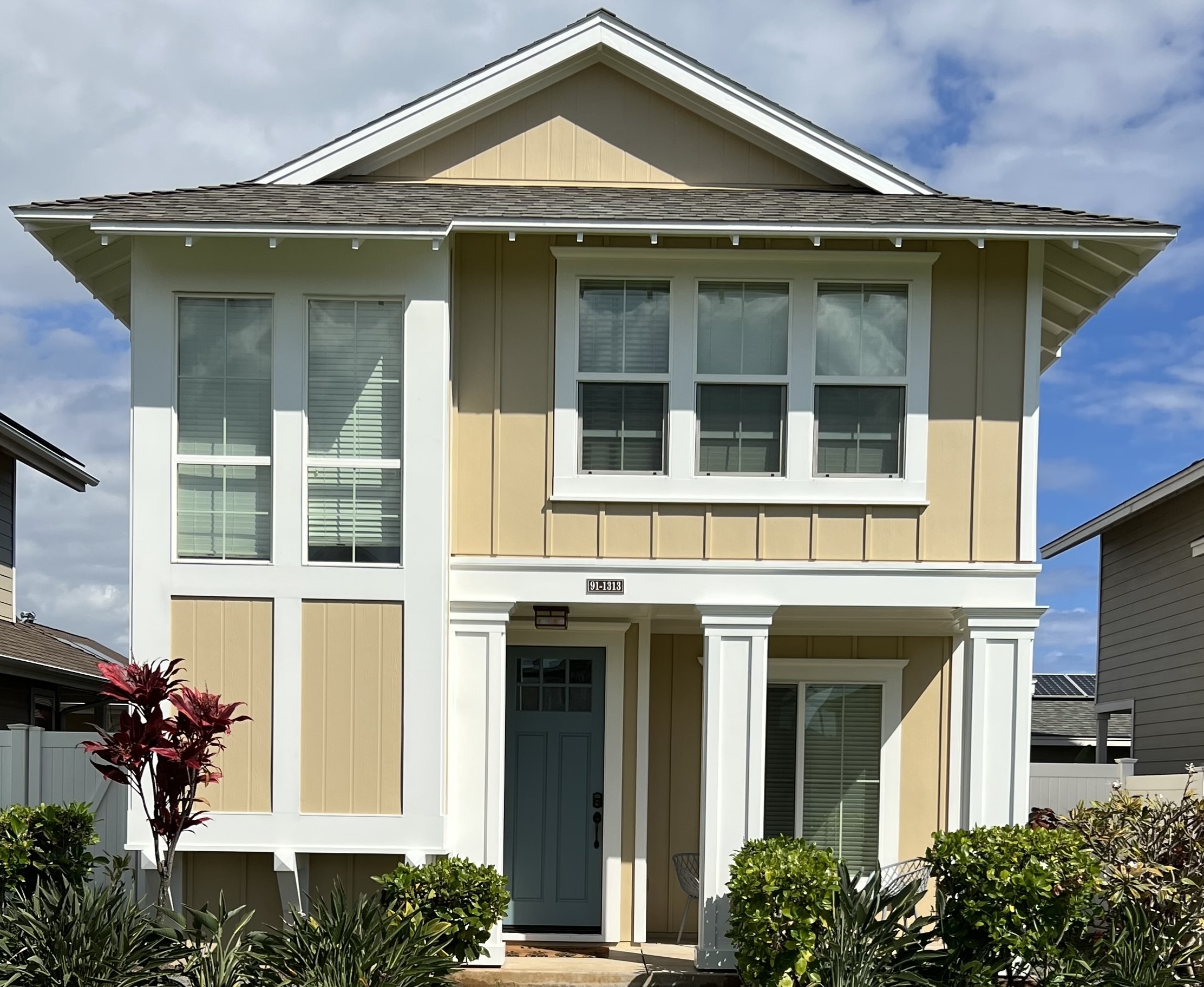
Quick answer: Pearl City and Aiea are both popular Central Oahu choices for military families, especially those assigned to Joint Base Pearl Harbor-Hickam. The better fit usually comes down to commute, housing style, budget, highway access, and the kind of daily routine you want.
Aiea offers convenient access toward Pearl Harbor and Honolulu, while Pearl City provides a central location with practical access toward JBPHH, Central Oahu, and West Oahu. Rather than asking which community is "better," military buyers should compare what each offers against their own duty station, home-buying goals, and lifestyle.

I help clients navigate the market with real numbers, local insight, and straightforward advice. No pressure.
Pearl City vs Aiea for Military Buyers
| Category | Pearl City | Aiea |
|---|---|---|
| General Location | Central Oahu | Central-south Oahu near Pearl Harbor |
| JBPHH Access | Convenient for many military commuters | Very convenient access toward Pearl Harbor |
| Housing Mix | Single-family homes, condos, and townhomes | Single-family homes, condos, townhomes, and hillside properties |
| Island Access | Practical access toward Central and West Oahu | Practical access toward Honolulu, Pearl Harbor, and Central Oahu |
| Best Fit | Buyers wanting central access in several directions | Buyers prioritizing Pearl Harbor and town access |
How Military Families Can Choose Between Pearl City and Aiea
The best choice usually starts with duty station and commute. For families assigned to Joint Base Pearl Harbor-Hickam, both communities can provide practical access while offering different housing options and daily routines.
Pearl City may appeal to buyers who want a central location with convenient access toward West and Central Oahu. Aiea may appeal to buyers who prioritize proximity to Pearl Harbor, Honolulu, and nearby shopping.
The right answer is personal. Compare commute, home type, budget, highway access, and the way each location fits your family's normal week.

MaryJo McGillicuddy, Realtor Associate, Military Relocation Professional
Century 21 Island Homes
📍 91-1105 Keaunui Dr #520, Ewa Beach, HI 96706
📞 (808) 724-4629
✉️ maryjo@c21islandhomes.com
🌐 sellhomeshawaii.com
Frequently Asked Questions
Is Pearl City or Aiea closer to JBPHH?
Aiea is generally positioned closer to Pearl Harbor, while Pearl City also provides convenient access to JBPHH and Central Oahu.
Do military families buy homes in both Pearl City and Aiea?
Yes. Both communities are commonly considered by military buyers because of their central locations and access to major duty stations.
What types of homes are available?
Both areas offer single-family homes, condos, and townhomes, with individual neighborhoods and property types varying throughout each community.
Should commute be the deciding factor?
Commute is important, but buyers should also consider housing style, budget, daily conveniences, and long-term plans.
Is one community better than the other?
No. The better fit depends on the buyer's duty station, housing needs, budget, and preferred daily routine.
Explore More Central Oahu and Military Housing Guides
Pearl City and Aiea
Joint Base Pearl Harbor-Hickam
- Joint Base Pearl Harbor-Hickam BAH
- Living Near Joint Base Pearl Harbor-Hickam
- Popular Communities Near JBPHH
- Oahu Commute Reality Check
Military Relocation
I help clients navigate the market with real numbers, local insight, and straightforward advice. No pressure.
Can a Marine Captain Buy a Home Near MCBH With BAH?
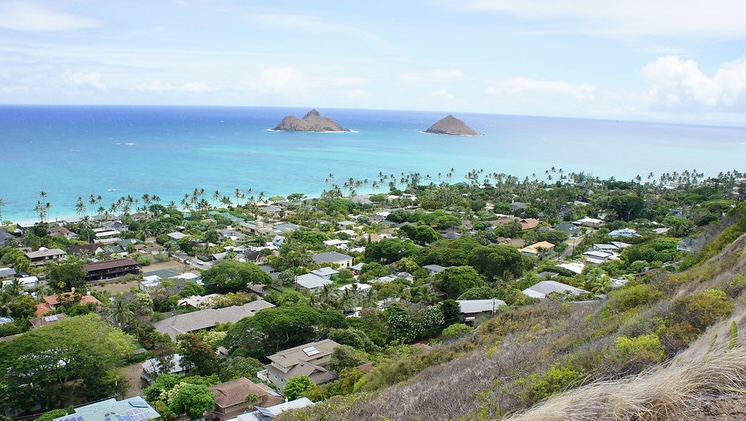
Quick answer: Yes. Many Marine Captains stationed at Marine Corps Base Hawaii can consider buying a home using BAH and a VA loan. The real question is how your total military compensation, debts, interest rate, and preferred location translate into a comfortable housing budget.
A Marine Captain is an O-3. Using the 2026 Hawaii BAH rates published on SellHomesHawaii.com, an O-3 receives $4,428 per month with dependents and $3,819 per month without dependents. Buyers stationed at MCBH often begin their search in Kaneohe and Kailua, then compare other Oahu communities based on commute, housing options, budget, and lifestyle.
I help clients navigate the market with real numbers, local insight, and straightforward advice. No pressure.
Marine Captain Home Search Near MCBH at a Glance
| 2026 Hawaii O-3 BAH | Monthly Amount |
|---|---|
| With Dependents | $4,428 |
| Without Dependents | $3,819 |
| Primary Duty Station | Marine Corps Base Hawaii, Kaneohe Bay |
| Common Areas to Compare | Kaneohe, Kailua, Hawaii Kai, Aiea, Ewa Beach |
| Best First Step | Get a VA pre-approval, then compare commute and home options. |
Where Marine Captains Often Begin Their Home Search
For many Marines assigned to MCBH, Kaneohe and Kailua are the first places to consider because of their proximity to the base and Windward Oahu lifestyle. Other buyers widen the search to Hawaii Kai, Aiea, Ewa Beach, or other parts of Oahu depending on budget, commute tolerance, and housing preferences.
Your BAH is only part of the equation. Lenders also consider base pay, other military compensation, monthly debts, credit history, available assets, and current mortgage rates.
The strongest approach is to establish a comfortable monthly payment first, then compare communities based on commute, home type, and everyday lifestyle rather than focusing on price alone.
MaryJo McGillicuddy, Realtor Associate, Military Relocation Professional
Century 21 Island Homes
📍 91-1105 Keaunui Dr #520, Ewa Beach, HI 96706
📞 (808) 724-4629
✉️ maryjo@c21islandhomes.com
🌐 sellhomeshawaii.com
Frequently Asked Questions
What rank is a Marine Captain?
A Marine Captain is an O-3 pay grade.
What is the 2026 Hawaii BAH for a Marine Captain?
Using the 2026 Hawaii BAH rates published on SellHomesHawaii.com, an O-3 receives $4,428 per month with dependents and $3,819 per month without dependents.
Can a Marine Captain buy a home near MCBH?
Many Marine Captains may qualify to purchase a home near MCBH using a VA loan. Qualification depends on total income, debts, credit, interest rates, available assets, and the property being purchased.
What communities should I compare near MCBH?
Kaneohe and Kailua are common starting points. Some buyers also compare Hawaii Kai, Aiea, Ewa Beach, and other Oahu communities depending on commute and housing goals.
Should I get pre-approved before looking at homes?
Yes. A VA pre-approval helps establish a realistic budget before you begin comparing neighborhoods and homes.
Explore More MCBH and Military Home Buying Guides
Marine Corps Base Hawaii
- Marine Corps Base Hawaii BAH
- What Is O-3 BAH at MCBH Kaneohe?
- Living Near Marine Corps Base Hawaii
- Popular Communities Near MCBH Kaneohe
Windward Oahu
Military Home Buying
I help clients navigate the market with real numbers, local insight, and straightforward advice. No pressure.
Important: BAH alone does not determine how much home you can afford or qualify to purchase. Mortgage approval depends on your total military compensation, other income, debts, credit profile, available savings, interest rates, and the specific loan program. This article is intended for general educational purposes and should not be considered mortgage, financial, tax, or legal advice.
Can a Navy Lieutenant Buy a Home in Hawaii With BAH?
Quick answer: Yes. Many Navy Lieutenants stationed on Oahu purchase homes using a VA loan. While Hawaii BAH is an important part of the monthly housing budget, affordability depends on your total military compensation, debts, credit profile, available assets, interest rates, and the home you choose.
A Navy Lieutenant holds the military rank of O-3. For 2026, Hawaii BAH for an O-3 is $4,428 per month with dependents and $3,819 per month without dependents. Many Navy families assigned to Joint Base Pearl Harbor-Hickam consider communities such as Ewa Beach, Kapolei, Pearl City, Aiea, and Mililani when buying a home.
I help clients navigate the market with real numbers, local insight, and straightforward advice. No pressure.
Navy Lieutenant Buying Power at a Glance
| 2026 Hawaii O-3 BAH | Monthly Amount |
|---|---|
| With Dependents | $4,428 |
| Without Dependents | $3,819 |
| Typical Financing | VA Home Loan |
| Common Communities Considered | Pearl City, Aiea, Ewa Beach, Kapolei, Mililani |
| Recommended First Step | Obtain a VA loan pre-approval before beginning your home search. |
Where Many Navy Families Begin Their Home Search
Joint Base Pearl Harbor-Hickam is the largest military installation on Oahu, so Navy families have many communities to consider. Some buyers prioritize shorter commutes, while others focus on neighborhood amenities, home styles, schools, or long-term investment goals.
Regardless of where you choose to live, lenders evaluate far more than your BAH. Base pay, special pays, debts, credit history, assets, and current mortgage rates all contribute to determining how much home you may qualify to purchase.
Many Navy buyers begin with a VA loan pre-approval and then compare neighborhoods throughout Central and West Oahu before deciding where to buy.
MaryJo McGillicuddy, Realtor Associate, Military Relocation Professional
Century 21 Island Homes
📍 91-1105 Keaunui Dr #520, Ewa Beach, HI 96706
📞 (808) 724-4629
✉️ maryjo@c21islandhomes.com
🌐 sellhomeshawaii.com
Explore More Navy, BAH, and Oahu Military Housing Guides
Military Buying Power
- Can an O-3 Buy a Home in Ewa Beach With BAH?
- Officer BAH Buying Power on Oahu
- Can You Buy a Home on Oahu With BAH?
- What Can a Dual Military O-3/O-3 Buy in Hawaii?
Joint Base Pearl Harbor-Hickam
- Joint Base Pearl Harbor-Hickam BAH
- What Is O-3 BAH at Joint Base Pearl Harbor-Hickam?
- Popular Communities Near Joint Base Pearl Harbor-Hickam
- Living Near Joint Base Pearl Harbor-Hickam
PCS and VA Loan Resources
Frequently Asked Questions
What rank is a Navy Lieutenant?
A Navy Lieutenant is the equivalent of an O-3 pay grade.
What is Hawaii BAH for a Navy Lieutenant?
For 2026, Hawaii BAH for an O-3 is $4,428 per month with dependents and $3,819 per month without dependents.
Where do many Navy families buy homes on Oahu?
Popular communities include Pearl City, Aiea, Ewa Beach, Kapolei, Mililani, and other neighborhoods depending on commute preferences, housing goals, and lifestyle.
Can I use a VA loan as a Navy officer?
Many eligible Navy service members use VA loans to purchase homes in Hawaii.
Should I get pre-approved before looking at homes?
Yes. A VA pre-approval helps establish your budget and strengthens your offer when you're ready to purchase.
I help clients navigate the market with real numbers, local insight, and straightforward advice. No pressure.
Important: BAH alone does not determine how much home you can afford or qualify to purchase. Mortgage approval depends on your total military compensation, other income, debts, credit profile, available savings, interest rates, and the specific loan program. This article is intended for general educational purposes and should not be considered mortgage, financial, tax, or legal advice.
Can an E-8 Buy a Home in Ewa Beach With BAH?
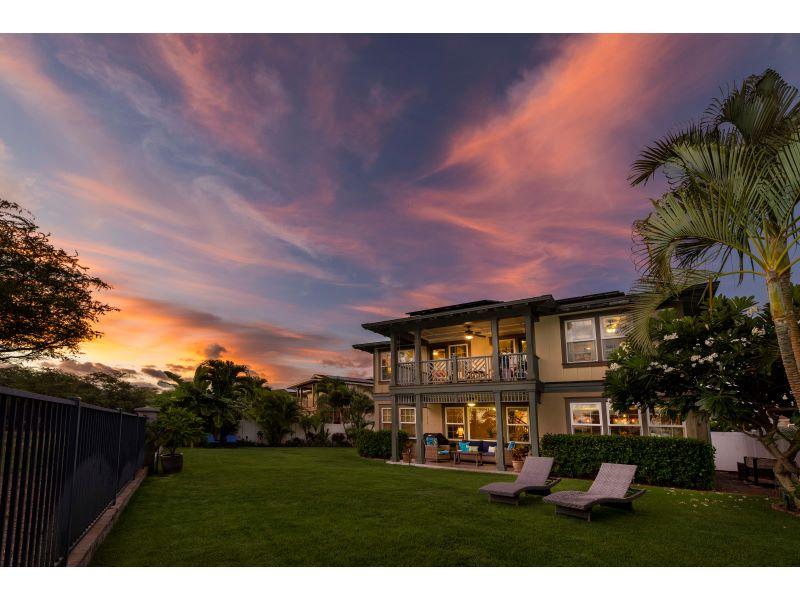
Quick answer: Yes. Many E-8 military families purchase homes in Ewa Beach using a VA loan. While BAH is an important housing benefit, affordability depends on your total military compensation, monthly debt obligations, credit profile, available assets, interest rates, and the price of the home you choose.
For 2026, Hawaii BAH for an E-8 is $4,302 per month with dependents and $3,720 per month without dependents. Ewa Beach remains one of the most popular communities for military buyers because of its housing options, newer neighborhoods, and convenient West Oahu location.
I help clients navigate the market with real numbers, local insight, and straightforward advice. No pressure.
E-8 Buying Power in Ewa Beach at a Glance
| 2026 Hawaii E-8 BAH | Monthly Amount |
|---|---|
| With Dependents | $4,302 |
| Without Dependents | $3,720 |
| Most Common Financing | VA Home Loan |
| Communities Frequently Compared | Ewa Beach, Ocean Pointe, Hoakalei, Kapolei |
| Recommended First Step | Obtain a VA loan pre-approval before beginning your home search. |
Why Many E-8 Families Begin Their Search in Ewa Beach
Ewa Beach continues to attract military buyers because it offers a broad range of housing options, established neighborhoods, newer communities, beaches, parks, and convenient access to much of West Oahu.
Although BAH is an important part of your monthly housing budget, lenders also evaluate your military base pay, any additional income, monthly debts, credit history, available assets, mortgage interest rates, and the details of your VA loan.
Obtaining a VA loan pre-approval before touring homes can help you establish a realistic budget and confidently compare homes throughout Ewa Beach, Ocean Pointe, Hoakalei, and neighboring communities.
MaryJo McGillicuddy, Realtor Associate, Military Relocation Professional
Century 21 Island Homes
📍 91-1105 Keaunui Dr #520, Ewa Beach, HI 96706
📞 (808) 724-4629
✉️ maryjo@c21islandhomes.com
🌐 sellhomeshawaii.com
Explore More Military Home Buying Guides
Military Buying Power
- Can an E-7 Buy a Home in Ewa Beach With BAH?
- Can an O-3 Buy a Home in Ewa Beach With BAH?
- Can an O-4 Buy a Home in Ewa Beach With BAH?
- Can an O-5 Buy a Home in Ewa Beach With BAH?
- Can an Army Major Buy a Home in Ewa Beach With BAH?
- Can You Buy a Home on Oahu With BAH?
Ewa Beach Home Buying
- Ewa Beach Real Estate
- Best Ewa Beach Realtor for Military Families
- Military Relocation-Friendly Homes for Sale in Ewa Beach
- Living in Ewa Beach
Military Relocation
Frequently Asked Questions
Can an E-8 qualify to buy a home in Ewa Beach?
Many E-8 military families qualify to purchase homes in Ewa Beach using a VA loan. Qualification depends on total household income, debt obligations, credit history, available assets, interest rates, and the purchase price of the home.
What is the 2026 Hawaii BAH for an E-8?
For 2026, Hawaii BAH for an E-8 is $4,302 per month with dependents and $3,720 per month without dependents.
Why is Ewa Beach popular with military buyers?
Ewa Beach offers a wide variety of homes, newer neighborhoods, beaches, parks, and a strong military community, making it one of the most frequently considered areas on Oahu.
Should I compare Ewa Beach with nearby communities?
Yes. Many buyers compare Ewa Beach with Ocean Pointe, Hoakalei, Kapolei, and Makakilo before deciding where to purchase a home.
Should I obtain a VA pre-approval first?
Yes. A VA pre-approval establishes your purchasing range and strengthens your offer when you're ready to buy.
I help clients navigate the market with real numbers, local insight, and straightforward advice. No pressure.
Important: BAH alone does not determine how much home you can afford or qualify to purchase. Mortgage approval depends on your total military compensation, other income, debts, credit profile, available savings, interest rates, and the specific loan program. This article is intended for general educational purposes and should not be considered mortgage, financial, tax, or legal advice.
Can an O-5 Buy a Home in Kapolei With BAH?
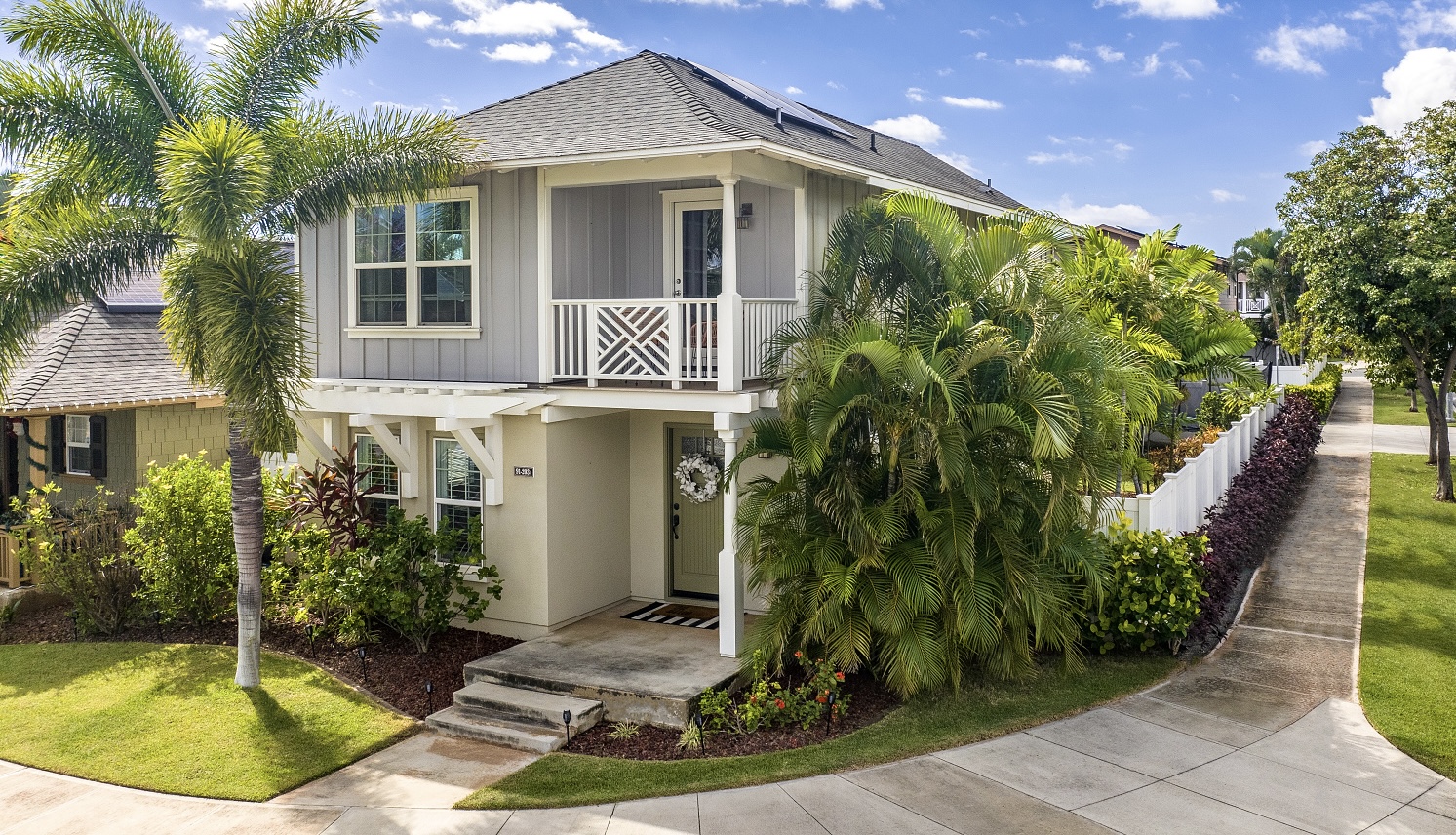
Quick answer: Yes. Many O-5 military families purchase homes in Kapolei using a VA loan. While BAH is an important part of the monthly housing budget, affordability depends on total military compensation, monthly debts, credit history, interest rates, available assets, and the home you choose.
For 2026, Hawaii BAH for an O-5 is $4,959 per month with dependents and $4,224 per month without dependents. Kapolei is a popular destination for military buyers because of its newer communities, shopping, parks, restaurants, and convenient West Oahu location.
I help clients navigate the market with real numbers, local insight, and straightforward advice. No pressure.
O-5 Buying Power in Kapolei at a Glance
| 2026 Hawaii O-5 BAH | Monthly Amount |
|---|---|
| With Dependents | $4,959 |
| Without Dependents | $4,224 |
| Most Common Financing | VA Home Loan |
| Communities Frequently Compared | Kapolei, Ho'opili, Makakilo, Ewa Beach |
| Recommended First Step | Obtain a VA loan pre-approval before beginning your home search. |
Why Many O-5 Families Consider Kapolei
Kapolei has become one of the most desirable areas in West Oahu for military home buyers. Many O-5 families appreciate the newer neighborhoods, larger selection of modern homes, convenient shopping, restaurants, parks, schools, and easy access to many parts of the island.
Although BAH is an important housing benefit, lenders evaluate much more than your housing allowance. They also consider your military base pay, any additional income, debt-to-income ratio, credit history, available assets, current mortgage rates, and the details of your VA loan.
Before beginning your search, obtaining a VA pre-approval can provide a realistic price range and help you confidently compare homes in Kapolei, Ho'opili, Makakilo, and nearby West Oahu communities.
MaryJo McGillicuddy, Realtor Associate, Military Relocation Professional
Century 21 Island Homes
📍 91-1105 Keaunui Dr #520, Ewa Beach, HI 96706
📞 (808) 724-4629
✉️ maryjo@c21islandhomes.com
🌐 sellhomeshawaii.com
Explore More Military Home Buying Guides
Military Buying Power
- Can an O-4 Buy a Home in Kapolei With BAH?
- Can an E-7 Buy a Home in Kapolei With BAH?
- Can an O-3 Buy a Home in Ewa Beach With BAH?
- Can You Buy a Home on Oahu With BAH?
- Officer BAH Buying Power on Oahu
Kapolei Home Buying
- Kapolei Real Estate
- Is Kapolei a Good Place to Buy a Home on Oahu?
- What Does $1M Get You in Kapolei?
- Makakilo vs Kapolei
Military Relocation
Frequently Asked Questions
Can an O-5 qualify to buy a home in Kapolei?
Many O-5 military families qualify to purchase homes in Kapolei using a VA loan. Qualification depends on total household income, debt obligations, credit history, available assets, current interest rates, and the purchase price of the home.
What is the 2026 Hawaii BAH for an O-5?
For 2026, Hawaii BAH for an O-5 is $4,959 per month with dependents and $4,224 per month without dependents.
Why do military buyers choose Kapolei?
Kapolei offers newer communities, shopping, restaurants, parks, schools, and convenient access to many areas of West Oahu, making it a popular choice for military families.
Should I compare Kapolei with other West Oahu communities?
Yes. Many buyers compare Kapolei with Ho'opili, Makakilo, Ewa Beach, and Hoakalei before deciding which neighborhood best fits their budget and lifestyle.
Should I obtain a VA pre-approval first?
Yes. A VA pre-approval establishes your purchasing range and strengthens your offer when you're ready to buy.
I help clients navigate the market with real numbers, local insight, and straightforward advice. No pressure.
Important: BAH alone does not determine how much home you can afford or qualify to purchase. Mortgage approval depends on your total military compensation, other income, debts, credit profile, available savings, interest rates, and the specific loan program. This article is intended for general educational purposes and should not be considered mortgage, financial, tax, or legal advice.
Can an O-3 Buy a Home in Ewa Beach With BAH?
Quick answer: Yes. Many O-3 military families can purchase a home in Ewa Beach using a VA loan. While BAH is an important part of the equation, affordability ultimately depends on your total military compensation, monthly debts, credit profile, interest rates, and the home you choose.
For 2026, Hawaii BAH for an O-3 is $4,428 per month with dependents and $3,819 per month without dependents. Ewa Beach remains one of the most popular communities for military buyers because of its newer neighborhoods, strong military presence, and convenient West Oahu location.
I help clients navigate the market with real numbers, local insight, and straightforward advice. No pressure.
O-3 Buying Power in Ewa Beach at a Glance
| 2026 Hawaii O-3 BAH | Monthly Amount |
|---|---|
| With Dependents | $4,428 |
| Without Dependents | $3,819 |
| Most Common Loan | VA Home Loan |
| Communities Frequently Compared | Ewa Beach, Ocean Pointe, Hoakalei, Kapolei |
| Recommended First Step | Obtain a VA pre-approval before beginning your home search. |
Why Many O-3 Families Consider Ewa Beach
Many military officers begin their Oahu home search in Ewa Beach because it offers a wide range of homes, newer planned communities, and a location that works well for many military families stationed on the island.
For an O-3, BAH can represent a significant portion of a monthly housing budget, but lenders evaluate much more than BAH. They also consider base pay, any additional income, monthly debt obligations, credit history, available assets, current mortgage rates, and the terms of your VA loan.
Before touring homes, consider obtaining a VA loan pre-approval. Knowing your comfortable monthly payment allows you to compare homes in Ewa Beach, Ocean Pointe, Hoakalei, and nearby West Oahu communities with confidence.
MaryJo McGillicuddy, Realtor Associate, Military Relocation Professional
Century 21 Island Homes
📍 91-1105 Keaunui Dr #520, Ewa Beach, HI 96706
📞 (808) 724-4629
✉️ maryjo@c21islandhomes.com
🌐 sellhomeshawaii.com
Explore More Military Home Buying Guides
Military Buying Power
- Can an O-4 Buy a Home in Ewa Beach With BAH?
- Can an O-5 Buy a Home in Ewa Beach With BAH?
- Can an E-7 Buy a Home in Ewa Beach With BAH?
- Can an Army Major Buy a Home in Ewa Beach With BAH?
- Can You Buy a Home on Oahu With BAH?
Ewa Beach Home Buying
- Ewa Beach Real Estate
- Ewa Beach Living
- Best Ewa Beach Realtor for Military Families
- Military Relocation-Friendly Homes for Sale in Ewa Beach
Military Relocation
Frequently Asked Questions
Can an O-3 qualify to buy a home in Ewa Beach?
Many O-3 military families qualify to purchase homes in Ewa Beach using a VA loan. Qualification depends on total income, monthly debts, credit history, interest rates, available assets, and the purchase price of the home.
What is the 2026 Hawaii BAH for an O-3?
For 2026, Hawaii BAH for an O-3 is $4,428 per month with dependents and $3,819 per month without dependents.
Why is Ewa Beach popular with military buyers?
Ewa Beach offers a variety of housing options, newer neighborhoods, beaches, parks, and a large military community, making it one of the most frequently considered areas on Oahu.
Should I compare Ewa Beach with other communities?
Yes. Buyers often compare Ewa Beach with Kapolei, Hoakalei, Ocean Pointe, and Makakilo before deciding which community best fits their needs.
Should I get pre-approved before looking at homes?
Yes. A VA pre-approval helps establish your budget and strengthens your position when you're ready to submit an offer.
I help clients navigate the market with real numbers, local insight, and straightforward advice. No pressure.
Important: BAH alone does not determine how much home you can afford or qualify to purchase. Mortgage approval depends on your total military compensation, other income, debts, credit profile, available savings, interest rates, and the specific loan program. This article is intended for general educational purposes and should not be considered mortgage, financial, tax, or legal advice.
Can an E-7 Buy a Home in Kapolei With BAH?
Quick answer: Yes, some E-7 military families can buy in Kapolei with BAH, depending on loan approval, household income, debt, credit, savings, and the type of home they choose.
For 2026, E-7 BAH in Hawaii is $4,098 with dependents and $3,348 without dependents. Kapolei is often considered by military buyers because it offers shopping, services, newer communities, and access to the growing West Oahu area.
I help clients navigate the market with real numbers, local insight, and straightforward advice. No pressure.
E-7 Buying Power in Kapolei at a Glance
| 2026 Hawaii E-7 BAH | Monthly Amount |
|---|---|
| With Dependents | $4,098 |
| Without Dependents | $3,348 |
| Popular Financing | VA Loan |
| Communities Buyers Often Compare | Kapolei, Ho'opili, Makakilo, Ewa Beach |
| Recommended First Step | Talk with a VA lender to determine a comfortable monthly payment before beginning your home search. |
Why Many E-7 Families Start Their Search in Kapolei
Kapolei has become one of the most popular destinations for military buyers relocating to Oahu. Many E-7 families appreciate its newer neighborhoods, extensive shopping, restaurants, parks, schools, and the convenience of having many everyday services close together.
While BAH is an important part of the budget, it is only one factor lenders consider. Your overall military compensation, debt-to-income ratio, credit history, available savings, and current mortgage interest rates all influence purchasing power.
For many families, the smartest approach is to obtain a VA loan pre-approval first. That allows you to compare homes confidently in Kapolei, Ho'opili, Makakilo, and neighboring West Oahu communities while staying within a comfortable monthly budget.
MaryJo McGillicuddy, Realtor Associate, Military Relocation Professional
Century 21 Island Homes
📍 91-1105 Keaunui Dr #520, Ewa Beach, HI 96706
📞 (808) 724-4629
✉️ maryjo@c21islandhomes.com
🌐 sellhomeshawaii.com
Explore More Military Home Buying and Kapolei Guides
Military Buying Power
- Can an E-7 Buy a Home in Ewa Beach With BAH?
- Can an O-4 Buy a Home in Kapolei With BAH?
- Can an O-5 Buy a Home in Kapolei With BAH?
- Can You Buy a Home on Oahu With BAH?
Kapolei Home Buying
Military Relocation
Frequently Asked Questions
Can an E-7 afford a home in Kapolei?
Many E-7 military families can qualify to purchase a home in Kapolei, especially when using a VA loan. Qualification depends on household income, debt obligations, credit history, interest rates, and the purchase price of the home.
What is the 2026 E-7 BAH rate in Hawaii?
The 2026 Hawaii BAH rate for an E-7 is $4,098 per month with dependents and $3,348 per month without dependents.
Why is Kapolei popular with military families?
Kapolei offers newer neighborhoods, shopping, restaurants, parks, schools, and convenient access to many areas of West Oahu, making it a frequent choice for military home buyers.
Should I compare Kapolei with nearby communities?
Yes. Many buyers also compare Makakilo, Ho'opili, Ewa Beach, and other nearby communities before deciding which neighborhood best fits their lifestyle and budget.
Should I get pre-approved before touring homes?
Absolutely. A VA pre-approval helps establish a realistic budget and strengthens your position when you are ready to submit an offer.
I help clients navigate the market with real numbers, local insight, and straightforward advice. No pressure.
Important: BAH alone does not determine how much home you can afford or qualify to purchase. Loan approval depends on your total military compensation, other income, debts, credit profile, interest rates, available savings, and the specific loan program. This page is general educational information and is not mortgage, legal, tax, or financial advice.
Can an E-7 Buy a Home in Ewa Beach With BAH?
Quick answer: Yes, many E-7 military families look seriously at Ewa Beach when buying with BAH, especially if they are using a VA loan and want newer homes, West Oahu convenience, and a strong military presence.
For 2026, E-7 BAH in Hawaii is $4,098 with dependents and $3,348 without dependents. That does not determine approval by itself, but it gives senior enlisted buyers a useful starting point for evaluating Ewa Beach homes.
I help clients navigate the market with real numbers, local insight, and straightforward advice. No pressure.
E-7 Buying Power in Ewa Beach at a Glance
| 2026 Hawaii E-7 BAH | Monthly Amount |
|---|---|
| With Dependents | $4,098 |
| Without Dependents | $3,348 |
| Popular Financing | VA Loan |
| Common Areas Considered | Ewa Beach, Ocean Pointe, Hoakalei, Kapolei |
| Best First Step | Get a VA pre-approval and compare payment comfort before touring homes. |
Why Ewa Beach Often Makes Sense for E-7 Buyers
Ewa Beach is one of the most commonly considered areas for military families buying on Oahu. For many E-7 families, the appeal is the combination of housing variety, newer communities, military presence, beach access, and West Oahu convenience.
That said, BAH is only one piece of the decision. A lender will also look at base pay, other allowances, debts, credit profile, interest rates, savings, and the structure of the VA loan.
The strongest approach is to start with a realistic pre-approval, then compare homes in Ewa Beach, Ocean Pointe, Hoakalei, and nearby West Oahu communities. That gives you a clearer picture of what fits your budget and your daily life.
MaryJo McGillicuddy, Realtor Associate, Military Relocation Professional
Century 21 Island Homes
📍 91-1105 Keaunui Dr #520, Ewa Beach, HI 96706
📞 (808) 724-4629
✉️ maryjo@c21islandhomes.com
🌐 sellhomeshawaii.com
Explore More Military and Ewa Beach Home Buying Guides
Military Buying Power
- Can an O-5 Buy a Home in Ewa Beach With BAH?
- Can an O-4 Buy a Home in Ewa Beach With BAH?
- Can an Army Major Buy a Home in Ewa Beach With BAH?
- Can You Buy a Home on Oahu With BAH?
Ewa Beach Guides
- Ewa Beach Real Estate
- Best Ewa Beach Realtor for Military Families
- Military Relocation Friendly Homes for Sale in Ewa Beach
- Living in Ewa Beach
Military Relocation
Frequently Asked Questions
Can an E-7 afford a home in Ewa Beach?
Many E-7 families can qualify to purchase a home in Ewa Beach, especially when using a VA loan. Approval depends on income, debts, credit, interest rates, and the specific property.
What is 2026 E-7 BAH in Hawaii?
For 2026, E-7 BAH in Hawaii is $4,098 per month with dependents and $3,348 per month without dependents.
Does BAH alone determine buying power?
No. BAH helps, but lenders also evaluate total income, debt-to-income ratio, credit history, savings, and loan structure.
Why do military families consider Ewa Beach?
Many military families consider Ewa Beach because of housing variety, newer neighborhoods, West Oahu location, and access to military communities.
Should an E-7 get pre-approved before touring homes?
Yes. A VA pre-approval helps define a realistic price range and makes the home search more focused.
I help clients navigate the market with real numbers, local insight, and straightforward advice. No pressure.
Can an O-4 Buy a Home in Kapolei With BAH?
Quick answer: Yes, many O-4 military families can consider buying a home in Kapolei with BAH, especially when using a VA loan and factoring in total household income, debts, credit, and long-term plans.
For 2026, O-4 BAH in Hawaii is $4,737 with dependents and $4,110 without dependents. Kapolei often appeals to military buyers because of its newer homes, shopping, services, and West Oahu location.
I help clients navigate the market with real numbers, local insight, and straightforward advice. No pressure.
O-4 Buying Power in Kapolei at a Glance
| 2026 Hawaii O-4 BAH | Monthly Amount |
|---|---|
| With Dependents | $4,737 |
| Without Dependents | $4,110 |
| Popular Financing | VA Loan |
| Typical Communities Considered | Kapolei, Ho'opili, Makakilo, Ewa Beach |
| Best First Step | Obtain a VA pre-approval before touring homes. |
Buying With BAH Is About More Than Your Housing Allowance
One of the biggest misconceptions is that your BAH determines exactly how much house you can buy. In reality, lenders evaluate your entire financial picture, including your base pay, BAH, BAS, other income, monthly debt obligations, credit history, and the structure of your VA loan.
For many O-4 families stationed on Oahu, Kapolei becomes a natural place to begin the search because it offers newer communities, convenient shopping, restaurants, parks, and relatively easy access to much of West Oahu.
Every military family's situation is different. Before falling in love with a home, it's worth getting pre-approved and understanding a comfortable monthly payment range. That allows you to search confidently and focus on homes that fit both your budget and your long-term goals.
MaryJo McGillicuddy, Realtor Associate, Military Relocation Professional
Century 21 Island Homes
📍 91-1105 Keaunui Dr #520, Ewa Beach, HI 96706
📞 (808) 724-4629
✉️ maryjo@c21islandhomes.com
🌐 sellhomeshawaii.com
Explore More Military Home Buying Guides
Military Buying Power
- Can an O-3 Buy a Home in Ewa Beach With BAH?
- Can an O-5 Buy a Home in Kapolei With BAH?
- Can an E-7 Buy a Home in Kapolei With BAH?
- Can an E-7 Buy a Home in Ewa Beach With BAH?
Kapolei Home Buying
Military Relocation
Frequently Asked Questions
Can an O-4 afford a home in Kapolei?
Many O-4 families can qualify to purchase a home in Kapolei, particularly when using a VA loan. Qualification depends on income, debts, interest rates, credit, and the specific property being purchased.
Does BAH determine how much house I can buy?
No. BAH is only one part of your financial picture. Lenders also evaluate military pay, other income, debt-to-income ratio, credit history, and available assets.
Why is Kapolei popular with military families?
Kapolei offers newer homes, shopping, restaurants, parks, schools, and convenient access to many parts of West Oahu, making it a popular choice for military buyers.
Should I get pre-approved before looking at homes?
Yes. A VA pre-approval gives you a realistic price range and strengthens your position when you're ready to make an offer.
Should I rent instead?
That depends on how long you expect to remain in Hawaii, your financial goals, and current market conditions. Many military families compare both options before making a decision.
I help clients navigate the market with real numbers, local insight, and straightforward advice. No pressure.
Important: BAH alone does not determine how much home you can afford or qualify to purchase. Loan approval depends on your total military compensation, other income, debts, credit profile, interest rates, available savings, and the specific loan program. This page is general educational information and is not mortgage, legal, tax, or financial advice.
Living in Hoakalei: What Buyers Should Know
Quick answer: Living in Hoakalei offers many buyers a combination of newer homes, planned neighborhoods, nearby beaches, golf, outdoor recreation, and convenient access to Kapolei and the growing West Oahu area.
Every community has its own personality. Hoakalei has become popular with families, military buyers, retirees, and professionals looking for a neighborhood that combines modern homes with an active outdoor lifestyle. Understanding what everyday life looks like here can help you decide if it's the right place to call home.
I help clients navigate the market with real numbers, local insight, and straightforward advice. No pressure.
What Living in Hoakalei Looks Like
| Lifestyle Feature | Why Buyers Appreciate It |
|---|---|
| Newer Neighborhoods | Many homes feature modern layouts, contemporary architecture, and community planning. |
| Outdoor Lifestyle | Golf, beaches, walking paths, parks, and nearby ocean activities encourage year-round outdoor living. |
| Wai Kai | Restaurants, recreation, events, and waterfront activities are just minutes away. |
| West Oahu Convenience | Kapolei shopping, Costco, dining, schools, and medical facilities are nearby. |
| Military Friendly | Many military families consider Hoakalei because of its location, newer homes, and community atmosphere. |
| Sense of Community | Many residents enjoy neighborhood events, sidewalks, and a community designed for walking and outdoor activities. |
Local Perspective Matters
Reading about a neighborhood online is helpful, but living there every day provides a different perspective. From morning walks and nearby beaches to shopping, dining, golf, and community events, Hoakalei has developed its own personality within West Oahu.
MaryJo McGillicuddy has called Hoakalei home for nearly a decade. She understands the differences between Ka Makana, Kipuka, nearby Ewa Beach communities, and the everyday lifestyle that buyers often can't appreciate from photos alone.
If you're considering Hoakalei, she would be happy to answer your questions, explain the different neighborhoods, and help you decide whether the community is the right fit for your family and lifestyle.
MaryJo McGillicuddy, Realtor Associate, Military Relocation Professional
Century 21 Island Homes
📍 91-1105 Keaunui Dr #520, Ewa Beach, HI 96706
📞 (808) 724-4629
✉️ maryjo@c21islandhomes.com
🌐 sellhomeshawaii.com
Explore More Hoakalei, Ewa Beach, and Military Relocation Guides
Explore Hoakalei
- Should You Buy a Home in Hoakalei?
- Homes for Sale in Ka Makana at Hoakalei Right Now
- Homes for Sale in Kipuka at Hoakalei Right Now
- Single Story Homes in Hoakalei
- Homes Near Hoakalei Country Club
- Homes Near Wai Kai in Ewa Beach
Ewa Beach Lifestyle
- Ewa Beach Real Estate
- Ewa Beach vs Makakilo
- Ewa Beach vs Mililani
- Best Ewa Beach Realtor for Military Families
Military Relocation
Frequently Asked Questions About Living in Hoakalei
What is it like living in Hoakalei?
Many residents enjoy newer homes, nearby beaches, golf, outdoor recreation, and convenient access to Kapolei and other West Oahu amenities.
Is Hoakalei a good place for military families?
Many military families choose Hoakalei because of its newer homes, community design, and convenient location within West Oahu.
What neighborhoods are part of Hoakalei?
The Hoakalei master-planned community includes neighborhoods such as Ka Makana and Kipuka, along with other residential areas.
Is Hoakalei close to Wai Kai?
Yes. Wai Kai is located nearby and offers dining, recreation, events, waterfront activities, and one of West Oahu's most recognizable gathering places.
Can I tour Hoakalei before buying?
Absolutely. Touring the community, visiting nearby amenities, and comparing neighborhoods can help you determine whether Hoakalei fits your goals and lifestyle.
I help clients navigate the market with real numbers, local insight, and straightforward advice. No pressure.


© 2026 MoxiWorks
© CENTURY 21 2026. All rights reserved. CENTURY 21®, C21® and the CENTURY 21 Logo are registered service marks owned by Century 21 Real Estate LLC. Franchisee Legal Entity Name (not the dba) fully supports the principles of the Fair Housing Act and the Equal Opportunity Act. Each franchise is independently owned and operated. Any services or products provided by independently owned and operated franchisees are not provided by, affiliated with, or related to Century 21 Real Estate LLC nor any of its affiliated companies.
