

What Does $2.75M Get You on Oahu? A Real Upgrade or Not?
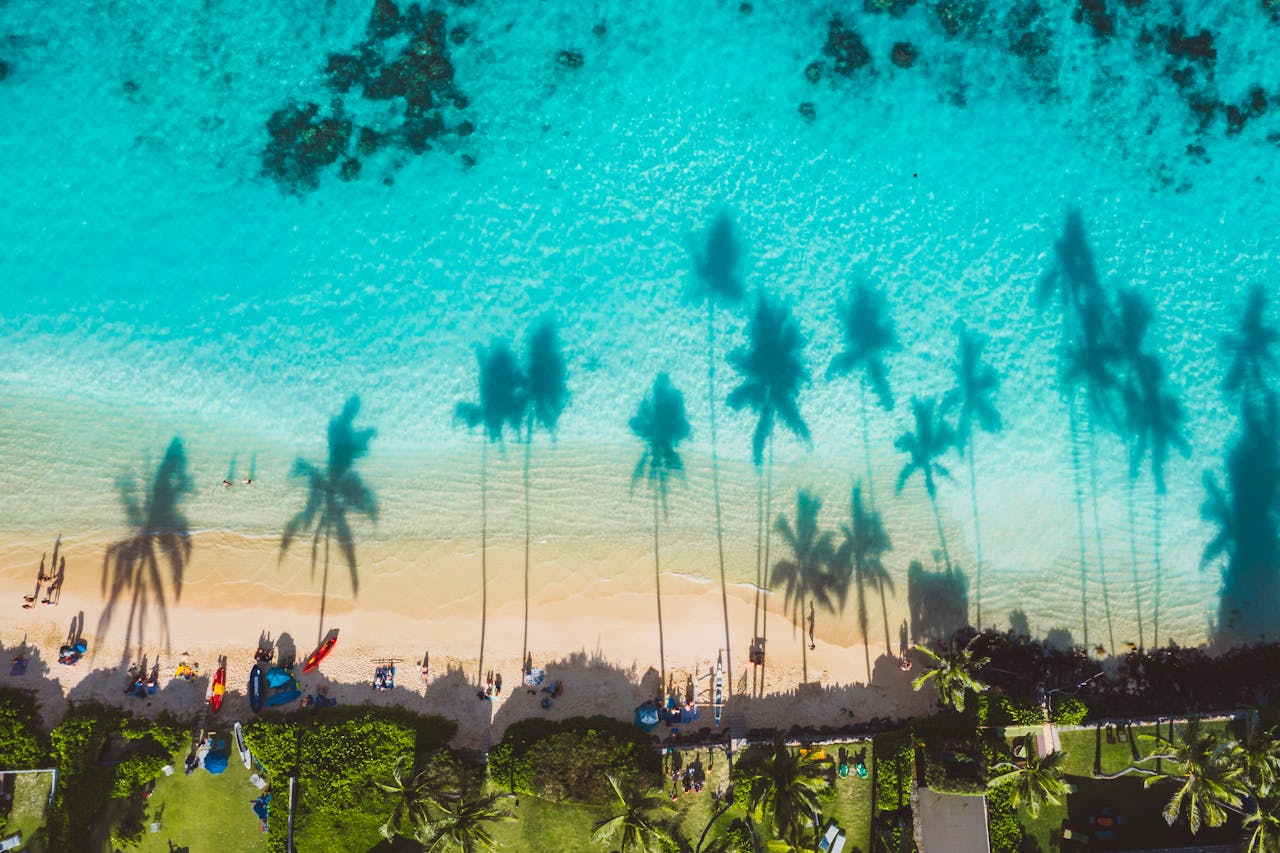
Quick answer: At $2.75M on Oahu, buyers start to see more noticeable upgrades in location, design, and overall quality compared to lower price points.
Where the Upgrade Becomes Visible
This price point begins to separate homes that feel standard from homes that feel more refined and better positioned.
What Improves at This Level
Buyers typically gain better locations, improved finishes, and homes that stand out more clearly from the rest of the market.
What Buyers Compare
The key comparison is often between staying at this level or moving higher for even stronger locations or more distinctive properties.
Where This Budget Reaches
At this level, areas like Hawaii Kai and Kailua begin to show more consistent opportunities, along with strong options across established neighborhoods.

I help clients navigate the market with real numbers, local insight, and straightforward advice. No pressure.
What $2.75M Changes on Oahu
| Category | Around $2.5M | Around $2.75M |
|---|---|---|
| Location Access | Selective access to higher-demand areas | More consistent access to established neighborhoods |
| Home Quality | Strong homes with tradeoffs | More homes feel complete with fewer compromises |
| Inventory Type | Upper mid-market to entry luxury | Clear entry into luxury segment |
| Lot & Setting | Standard positioning | Better lots and more refined settings |
| Overall Feel | Approaching luxury | Established luxury entry point |
This Is Where Luxury Starts to Feel Real
$2.75M is one of the most important transition points on Oahu. This is where buyers begin to feel a real shift from high-end homes into true luxury territory.
At lower levels, buyers often find strong homes but still work around compromises. At this price, more properties start to come together in a complete way, with location, layout, and overall feel aligning more consistently.
This is also where certain areas become more accessible. Buyers may begin to see better positioning within established neighborhoods rather than just finding entry points.
The experience changes as well. Instead of choosing the best available option, buyers are more often choosing between multiple strong options.
The key question at this level is simple. Does this price point give you everything you need, or does stretching slightly higher unlock something more specific?

MaryJo McGillicuddy, Realtor Associate, Military Relocation Professional
Century 21 Island Homes
📍 91-1105 Keaunui Dr #520, Ewa Beach, HI 96706
📞 (808) 724-4629
✉️ maryjo@c21islandhomes.com
🌐 sellhomeshawaii.com
FAQs About $2.75M Homes on Oahu
Is $2.75M considered luxury on Oahu?
Yes. Around $2.75M, buyers are entering the luxury segment, with more consistent access to higher-quality homes and better locations.
What improves compared to $2.5M homes?
Buyers typically see fewer compromises, better positioning, and more complete properties at this price point.
What areas become more accessible at $2.75M?
Depending on inventory, buyers may see more consistent opportunities in established neighborhoods and better-positioned homes across the island.
Should buyers stretch beyond $2.75M?
For some buyers, stretching higher can unlock more unique homes, stronger views, or more premium locations.
Explore More Oahu Price Points and Luxury Transitions
If you are looking at $2.75M homes on Oahu, you are stepping into a key transition into the luxury market. These guides will help you compare nearby price points, understand what changes as you move up, and evaluate where this budget fits across the island.
Compare Nearby Price Points
Understand the Move Into Luxury
- Oahu Luxury Neighborhoods
- Best Luxury Neighborhoods by Price
- Luxury Condos vs Houses
- Oceanfront vs Ocean View
Explore Key Oahu Areas
I help clients navigate the market with real numbers, local insight, and straightforward advice. No pressure.
Makakilo vs Kapolei Which Should You Choose
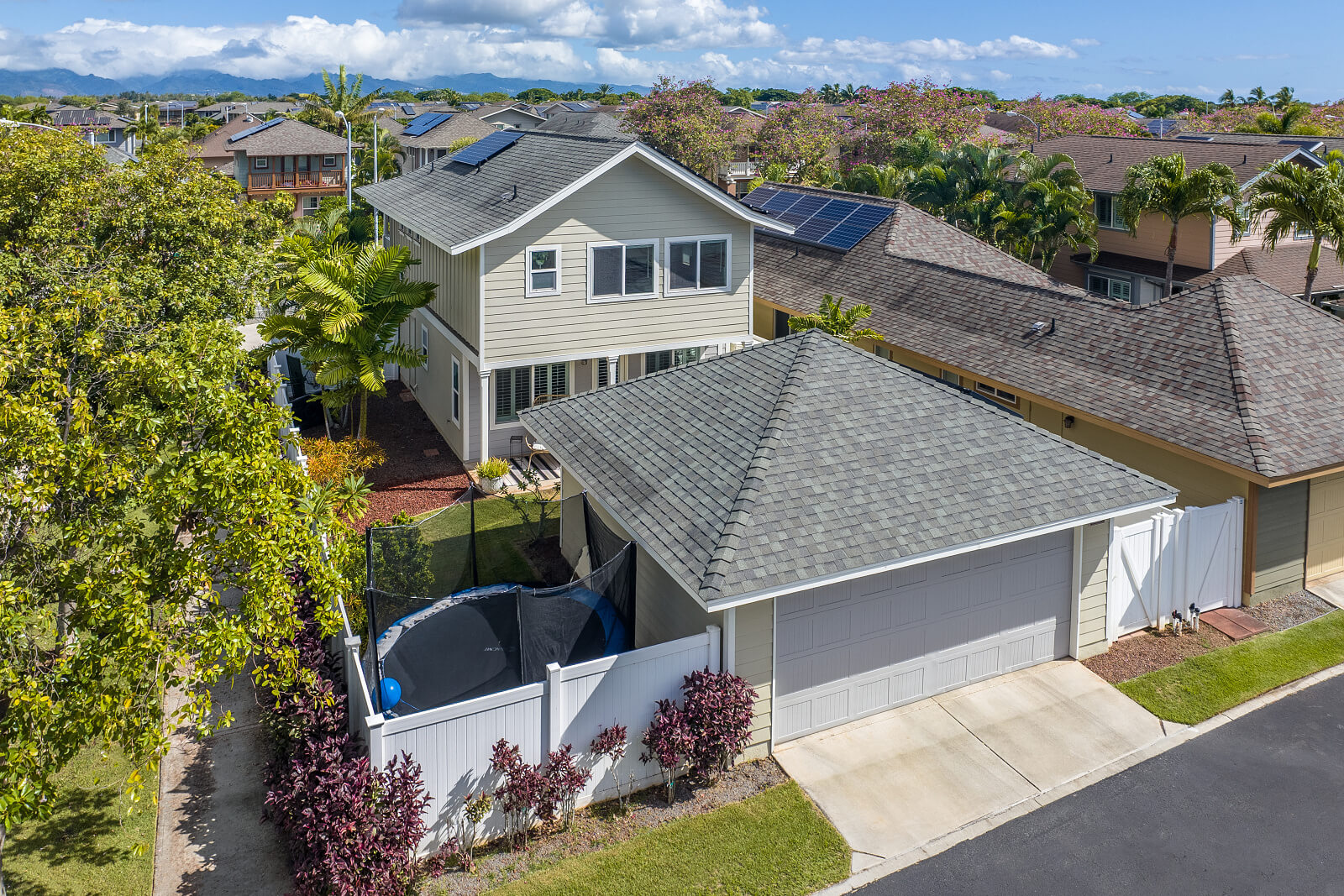
Quick answer: Choose Makakilo if you want elevation, breezes, and views. Choose Kapolei if you want newer homes, convenience, and easier daily access.
Same Budget, Different Lifestyle
Makakilo and Kapolei are close to each other, but they live very differently. Buyers often compare them because the price points can overlap, but the day-to-day experience is not the same.
Why Buyers Choose Makakilo
Makakilo appeals to buyers who want a cooler feel, stronger breezes, and a more elevated residential setting.
Why Buyers Choose Kapolei
Kapolei appeals to buyers who want newer construction, planned communities, and easier access to shopping, schools, and daily errands.
What This Decision Really Comes Down To
The choice is usually not about price. It is about whether you value setting and airflow more, or convenience and newer neighborhoods more.
I help clients navigate the market with real numbers, local insight, and straightforward advice. No pressure.
Makakilo vs Kapolei Reality Check
| Category | Makakilo | Kapolei |
|---|---|---|
| Feel | Elevated and quieter | Convenient and more central |
| Housing Style | Mix of established homes | More newer planned communities |
| Weather | Cooler, breezier | Warmer, flatter |
| Access | More driving up and down hill | Easier daily access |
How Buyers Usually Decide
Most buyers know pretty quickly which one fits once they see both in person. Makakilo tends to win people over with its elevation, airflow, and quieter feel.
Kapolei wins buyers who want simpler daily living. The homes often feel newer, and the convenience factor is hard to ignore.
Neither is better. They solve different problems. Makakilo is more about feel. Kapolei is more about function.
If your daily routine matters most, Kapolei often makes more sense. If the home environment matters most, Makakilo often stands out.
MaryJo McGillicuddy, Realtor Associate, Military Relocation Professional
Century 21 Island Homes
📍 91-1105 Keaunui Dr #520, Ewa Beach, HI 96706
📞 (808) 724-4629
✉️ maryjo@c21islandhomes.com
🌐 sellhomeshawaii.com
Explore More West Oahu Homes and Price Guides
If you are comparing Makakilo and Kapolei, these guides will help you see how nearby price points and neighborhoods fit into the bigger picture.
Kapolei Price Guides
Makakilo and Nearby Areas
Broader Oahu Price Guides
I help clients navigate the market with real numbers, local insight, and straightforward advice. No pressure.
What Does $1.3M Get You in Makakilo? Is the View Worth It?
Quick answer: At $1.3M in Makakilo, buyers often pay a premium for elevation and views, with tradeoffs in layout, lot usability, or access.
The Makakilo Tradeoff
Makakilo is not just another West Oahu option. The decision here is about choosing elevation and view potential over flat lots and convenience.
What You Get at $1.3M
Buyers typically find homes with strong view positions, cooler temperatures, and a different feel compared to surrounding areas.
What You Trade Off
Hillside living can mean smaller yards, steeper lots, and longer access times depending on location.
Why Buyers Choose Makakilo
This price point appeals to buyers who prioritize views and separation over traditional neighborhood layouts.
I help clients navigate the market with real numbers, local insight, and straightforward advice. No pressure.
What $1.3M Really Buys in Makakilo
| Category | Around $1.1M–$1.2M | Around $1.3M |
|---|---|---|
| Elevation & Views | Some elevation advantages | More consistent elevated positioning with wider views |
| Home Size | Standard single-family homes | Larger layouts or more functional floor plans |
| Condition | Mixed updates | More updated or better-maintained homes |
| Lot & Space | Typical lot sizes | Better outdoor space or positioning on the lot |
| Overall Feel | Entry to move-up | Established move-up tier for Makakilo |
Why Buyers Choose Makakilo at This Price
At $1.3M, Makakilo starts to stand out for a specific reason. Buyers are not just choosing a home. They are choosing elevation, airflow, and a different feel from the rest of West Oahu.
Because Makakilo sits above Kapolei, many homes benefit from cooler temperatures and stronger trade winds, which creates a noticeable lifestyle difference.
This is also where Makakilo becomes a clear alternative to Ewa Beach and Kapolei. Instead of maximizing newness or proximity to town, buyers here often prioritize space, views, and a quieter residential setting.
The key decision is simple. If elevation, airflow, and overall feel matter more than being closer to the center of Kapolei, this is where Makakilo begins to make a lot of sense.
MaryJo McGillicuddy, Realtor Associate, Military Relocation Professional
Century 21 Island Homes
📍 91-1105 Keaunui Dr #520, Ewa Beach, HI 96706
📞 (808) 724-4629
✉️ maryjo@c21islandhomes.com
🌐 sellhomeshawaii.com
FAQs About $1.3M Homes in Makakilo
Is $1.3M a strong price point in Makakilo?
Yes. Around $1.3M, buyers are typically in the move-up tier, with larger homes and better overall positioning compared to lower price points.
What type of homes are available at $1.3M in Makakilo?
Buyers will generally find single-family homes with more space, a mix of updated and established properties, and a variety of layouts.
What makes Makakilo different from nearby areas?
Makakilo is known for its elevated location, which often brings cooler temperatures, stronger breezes, and wider views compared to surrounding areas. :contentReference[oaicite:2]{index=2}
How does $1.3M compare to Kapolei or Ewa Beach?
At this price, Makakilo often offers more elevation and views, while Kapolei and Ewa Beach may offer newer construction or closer proximity to shopping and amenities.
Explore More Makakilo, West Oahu, and Price Point Guides
If you are considering $1.3M homes in Makakilo, you are looking at one of the strongest move-up price points in West Oahu. These guides will help you compare nearby budgets, evaluate alternative areas, and understand how Makakilo fits into the broader Oahu market.
Compare Oahu Price Points
Compare West Oahu Areas
Explore Makakilo and Nearby Communities
Understand Lifestyle and Tradeoffs
I help clients navigate the market with real numbers, local insight, and straightforward advice. No pressure.
What Does $1.9M Get You on Oahu? The Final Step Before $2M
Quick answer: At $1.9M on Oahu, buyers are right below a major threshold, choosing between maximizing value here or pushing to $2M for better location and options.
The $2M Line Is Real
This price point sits just below one of the most important thresholds in the Oahu market. Buyers begin to feel that a slightly higher budget could open more desirable neighborhoods.
What You Get at $1.9M
Homes at this level are typically strong in size and condition, with more consistent single-family options and improved layouts compared to lower tiers.
What You Are Still Missing
Access to certain neighborhoods and premium locations can still be limited, which is why many buyers consider stretching to $2M.
Where This Budget Works
This range performs well in West and Central Oahu, with selective opportunities in more competitive areas depending on the property.
I help clients navigate the market with real numbers, local insight, and straightforward advice. No pressure.
Does $1.9M Actually Change Your Options on Oahu?
| Category | Around $1.75M | Around $1.9M |
|---|---|---|
| Location Access | Limited access to higher-demand areas | More consistent access to central and some town locations |
| Home Quality | Strong homes with tradeoffs | More homes feel complete with fewer compromises |
| Inventory Type | Mix of value and move-up homes | More consistent move-up inventory |
| Flexibility | Choices feel constrained | More optionality across different areas |
| Overall Feel | Upper mid-market | Top of mid-market, approaching luxury entry |
This Is Where Buyers Start Breaking Out
$1.9M is one of the most important price points on Oahu because it sits right at the edge of a meaningful shift. Buyers are no longer just maximizing value. They are starting to gain real choice.
At lower levels, many buyers feel locked into specific areas or types of homes. At this level, the map begins to open up. More neighborhoods become realistic, and more homes start to feel complete.
This does not mean everything changes overnight. But the difference is noticeable. Buyers are no longer choosing between compromises. They are choosing between viable options.
This is also where some buyers begin testing areas they could not previously consider. Parts of town, better positioning, or more refined homes start entering the conversation.
The key decision here is whether this level gives you enough flexibility, or if stretching further unlocks a more meaningful jump.
MaryJo McGillicuddy, Realtor Associate, Military Relocation Professional
Century 21 Island Homes
📍 91-1105 Keaunui Dr #520, Ewa Beach, HI 96706
📞 (808) 724-4629
✉️ maryjo@c21islandhomes.com
🌐 sellhomeshawaii.com
FAQs About $1.9M Homes on Oahu
Is $1.9M close to the luxury market on Oahu?
Yes. $1.9M sits right at the top of the mid-market and is often considered the entry point to lower-tier luxury depending on location.
What improves compared to $1.75M homes?
Buyers typically gain more location flexibility, more complete homes, and a wider range of options across the island.
Can you buy in town at $1.9M?
In some cases, yes. Buyers may find opportunities in more central areas, though tradeoffs may still apply depending on the property.
Should you stretch beyond $1.9M?
For many buyers, stretching slightly higher can open stronger neighborhoods and more consistent inventory, especially closer to town or the coast.
Explore More Oahu Price Points and Buying Strategy
If you are looking at $1.9M homes on Oahu, you are right at the edge of a major transition point. These guides will help you compare nearby price levels, understand where your budget stretches, and see what happens if you move slightly higher or lower.
Compare Nearby Price Points
See How Lower Price Points Compare
Explore West Oahu Value Options
Understand the Bigger Picture
I help clients navigate the market with real numbers, local insight, and straightforward advice. No pressure.
What Does $3M Get You in Kailua? Windward Luxury Explained
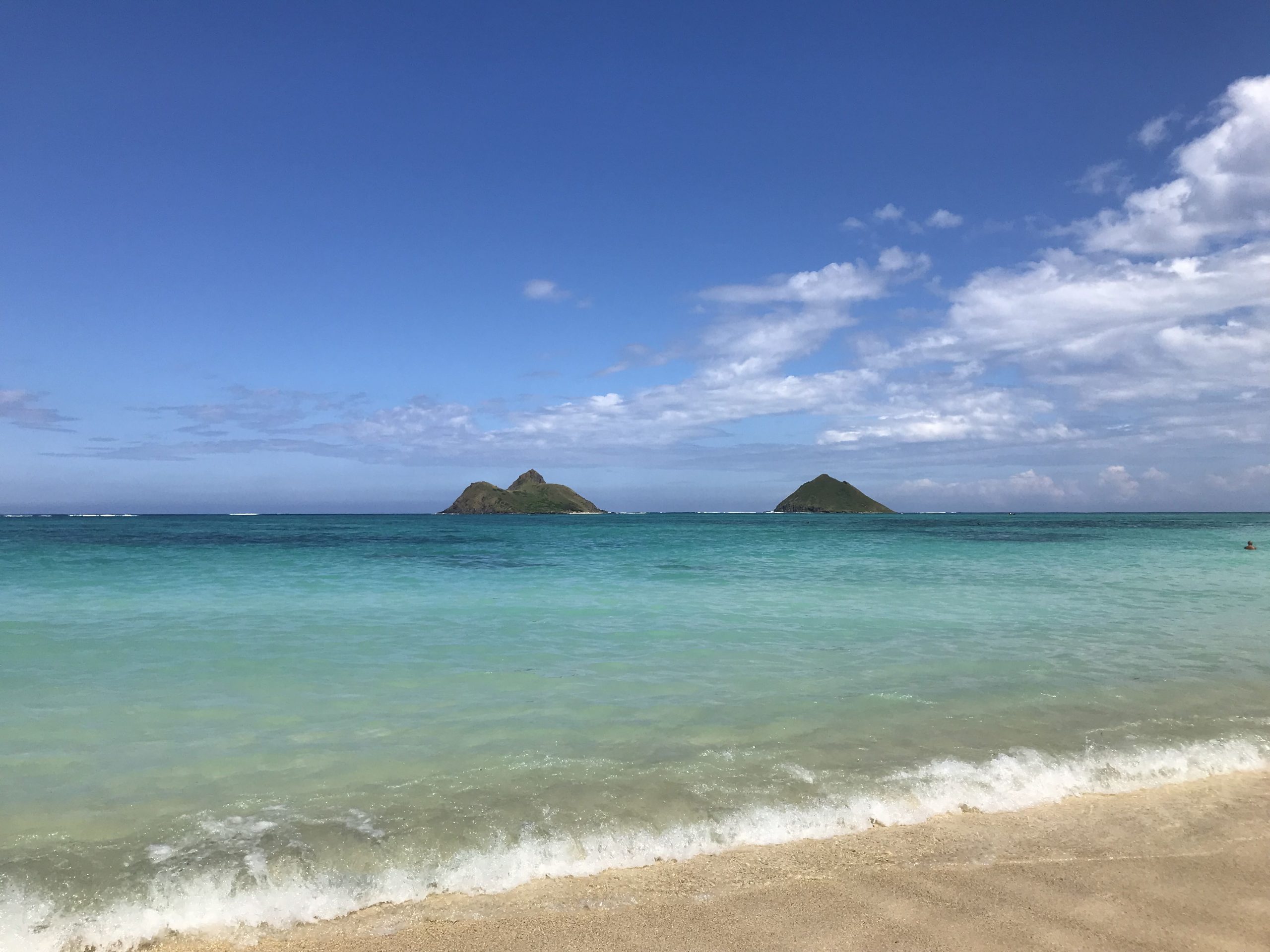
Quick answer: At $3M in Kailua, buyers enter Windward luxury, with access to better locations, larger homes, and a lifestyle centered around beaches and outdoor living.
Why Kailua Commands a Premium
This price point reflects more than just the home. Buyers are paying for location, lifestyle, and access to one of the most desirable areas on Oahu.
What You Get at $3M
Homes typically include better positioning, proximity to beaches, and more desirable layouts compared to lower price points.
What Makes This Different
Compared to other areas, Kailua offers a distinct lifestyle that combines residential living with direct access to outdoor activities.
What Buyers Must Consider
Inventory is more limited and competitive, which makes timing and decision-making important at this level.
I help clients navigate the market with real numbers, local insight, and straightforward advice. No pressure.
What $3M Really Buys in Kailua
| Category | Around $2M–$2.5M | Around $3M |
|---|---|---|
| Location Access | Selective entry into Kailua | More consistent access across Kailua neighborhoods |
| Proximity to Beach | Often inland or mixed locations | More homes closer to Kailua and Lanikai shoreline |
| Home Quality | Good homes with tradeoffs | More complete homes with stronger finishes |
| Lot and Setting | Standard lots | Better positioning and more usable outdoor space |
| Overall Feel | Entry to premium Kailua | Established luxury within Kailua |
MaryJo McGillicuddy, Realtor Associate, Military Relocation Professional
Century 21 Island Homes
📍 91-1105 Keaunui Dr #520, Ewa Beach, HI 96706
📞 (808) 724-4629
✉️ maryjo@c21islandhomes.com
🌐 sellhomeshawaii.com
FAQs About $3M Homes in Kailua
Is $3M considered luxury in Kailua?
Yes. At $3M, buyers are firmly in the luxury segment of the Kailua market, with access to stronger homes and better locations.
Can you buy near the beach in Kailua for $3M?
In some cases, yes. While true beachfront properties are typically higher, $3M can bring buyers closer to the shoreline compared to lower price points.
What neighborhoods are realistic at $3M in Kailua?
Buyers may find opportunities across a range of Kailua neighborhoods, including areas closer to the beach as well as established residential communities.
How does $3M compare to $2.5M in Kailua?
The difference is often more noticeable in location access, proximity to the beach, and overall home completeness.
Explore More Kailua, Oahu Price Points, and Luxury Living
If you are looking at $3M homes in Kailua, you are stepping into one of the most desirable lifestyle markets on Oahu. These guides will help you compare nearby price points, understand how Kailua fits into the broader Oahu market, and explore similar luxury opportunities.
Compare Oahu Price Points
Kailua Price Breakdown
Explore Windward and Nearby Areas
Understand Kailua and Oahu Luxury Living
I help clients navigate the market with real numbers, local insight, and straightforward advice. No pressure.
What Does $1.4M Get You in Ewa Beach? Move-Up Homes Explained
Quick answer: At $1.4M in Ewa Beach, buyers move into larger homes, better layouts, and more upgraded properties compared to lower price points.
Where Ewa Beach Starts to Feel Different
This price point marks a shift from entry-level homes into more complete properties with stronger overall appeal.
What You Get at $1.4M
Buyers typically see larger square footage, better interior finishes, and more consistent single-family home options.
What Improves Over Lower Prices
Compared to $1.2M or $1.3M, homes often include upgrades, improved condition, and more desirable layouts.
Why Buyers Choose This Level
This range appeals to buyers who want more space and comfort while staying within West Oahu.
What $1.4M Really Gets You in Ewa Beach
| Category | $1.2M–$1.3M Range | $1.4M Range |
|---|---|---|
| Home Size | Functional family homes | Larger layouts with slightly more usable space |
| Condition | Mixed updates | More consistently upgraded interiors |
I help clients navigate the market with real numbers, local insight, and straightforward advice. No pressure.
Where Ewa Beach Starts to Separate
At $1.4M in Ewa Beach, the difference is not subtle. Buyers begin to move out of entry-level homes and into properties that feel more complete.
Below this level, many homes require tradeoffs in layout, condition, or location within the community. At this price point, those compromises start to shrink.
Homes tend to offer more usable space, better upgrades, and a stronger overall feel. The neighborhoods themselves also begin to matter more, with certain sections standing out over others.
This is why many buyers target this range specifically. It represents a point where value and livability begin to align in a way that feels sustainable long term.
The key is understanding that not all $1.4M homes are equal. Street, condition, and layout still matter, but this is where Ewa Beach starts to deliver a more consistent experience.
MaryJo McGillicuddy, Realtor Associate, Military Relocation Professional
Century 21 Island Homes
📍 91-1105 Keaunui Dr #520, Ewa Beach, HI 96706
📞 (808) 724-4629
✉️ maryjo@c21islandhomes.com
🌐 sellhomeshawaii.com
FAQs About $1.4M Homes in Ewa Beach
Is $1.4M considered a move-up price point in Ewa Beach?
Yes. At $1.4M, buyers are typically entering the move-up tier, with larger homes and more complete layouts compared to lower price points.
What type of homes are available at $1.4M in Ewa Beach?
Most buyers will find single-family homes with more space, updated interiors, and functional layouts.
How does $1.4M compare to $1.3M in Ewa Beach?
The difference often shows up in condition and layout, with more consistent options at the higher price point.
Is Ewa Beach still a good value at $1.4M?
Yes. Ewa Beach continues to offer strong value on Oahu, especially for buyers prioritizing space and newer construction.
Explore More Oahu Home Prices and Ewa Beach Buying Guides
If you are looking at $1.4M homes in Ewa Beach, you are in the move-up tier for West Oahu. These guides will help you compare nearby price points, understand how your budget scales across the island, and see how Ewa Beach fits into the bigger picture.
Compare Oahu Price Points
- $900K Homes on Oahu
- $1M Homes on Oahu
- $1.25M Homes on Oahu
- $1.5M Homes on Oahu
- $1.75M Homes on Oahu
- $2M Homes on Oahu
Ewa Beach Price Breakdown
- $900K in Ewa Beach
- $1M in Ewa Beach
- $1.1M in Ewa Beach
- $1.2M in Ewa Beach
- $1.3M in Ewa Beach
- $1.5M in Ewa Beach
Compare Nearby West Oahu Areas
Explore Higher Price Points
I help clients navigate the market with real numbers, local insight, and straightforward advice. No pressure.
What Does $1.6M Get You on Oahu? Small Jump, Big Decision
Quick answer: At $1.6M on Oahu, buyers often gain incremental improvements over $1.5M, but the real decision is whether those gains are worth it or if stretching higher makes more sense.
The Incremental Upgrade Problem
This price point highlights one of the most common buyer challenges—small increases in budget do not always produce meaningful differences in outcome.
What Actually Improves
Buyers may see slightly larger homes, better finishes, or improved locations, but the overall experience often feels similar to the tier just below.
What Buyers Debate
The key decision is whether to stay disciplined at this level or push higher to unlock more noticeable changes in location or home quality.
Where This Budget Fits Best
This range still performs strongly in West and Central Oahu, with occasional opportunities in more competitive areas depending on the property.
I help clients navigate the market with real numbers, local insight, and straightforward advice. No pressure.
What $1.6M Actually Changes on Oahu
| Category | Around $1.5M | Around $1.6M |
|---|---|---|
| Home Size | Solid single-family options | Slight increase in space or layout efficiency |
| Condition | Mix of updated and older homes | More updated interiors in some cases |
| Location | Strong West Oahu presence | Occasional better positioning or central access |
| Inventory Quality | Good but variable | Slightly more consistent quality |
| Overall Feel | Upper mid-market | Incremental improvement, not a full jump |
MaryJo McGillicuddy, Realtor Associate, Military Relocation Professional
Century 21 Island Homes
📍 91-1105 Keaunui Dr #520, Ewa Beach, HI 96706
📞 (808) 724-4629
✉️ maryjo@c21islandhomes.com
🌐 sellhomeshawaii.com
Why This Price Can Be a Trap or an Opportunity
$1.6M sits in a range where expectations often exceed reality. Buyers assume that a higher budget should deliver a noticeably better result, but that is not always the case.
In many situations, the difference between $1.5M and $1.6M is incremental. Slightly better finishes, a bit more space, or a marginally improved location. The overall experience can feel very similar.
This is where buyers can get stuck. They spend more without feeling like they gained much. That is why this price point requires a clear strategy.
Some buyers stay disciplined and maximize value at this level. Others recognize that a larger jump is needed to change the outcome and choose to stretch higher.
The key is understanding that $1.6M is not always about getting more. It is about deciding whether this range fits your goals or if a different price point makes more sense.
FAQs About $1.6M Homes on Oahu
Is $1.6M much better than $1.5M on Oahu?
In many cases, the difference is modest. Buyers may see small improvements in size, condition, or location, but not a dramatic change.
What type of homes can you buy at $1.6M?
Single-family homes are common in West and Central Oahu, with some improved options compared to lower price points.
Should buyers stretch beyond $1.6M?
For some buyers, stretching higher can unlock more meaningful changes in location or home quality, depending on priorities.
What is the biggest mistake buyers make at this price?
The most common mistake is expecting a major upgrade from a small budget increase instead of recognizing when a larger jump is needed.
I help clients navigate the market with real numbers, local insight, and straightforward advice. No pressure.
- Oahu Luxury Neighborhoods: Where High-End Buyers Live
- $900K Homes on Oahu
- $1M Homes on Oahu
- $1.5M Homes on Oahu
- $2M Homes on Oahu
- $3M Homes on Oahu
- $4M Homes on Oahu
- $5M Homes on Oahu
- $6M Homes on Oahu
- $8M Homes on Oahu
- $10M Homes on Oahu
- Oahu luxury real estate with ocean views
- Luxury penthouses in Honolulu
- Single-story homes on Oahu under $4M
- Honolulu real estate
Explore More Oahu Luxury Homes
What Does $4.5M Get You on Oahu? Premium vs Luxury
Quick answer: At $4.5M on Oahu, buyers move beyond premium homes into true luxury territory, where location, views, and property quality begin to separate significantly from lower price tiers.
Where Premium Ends and Luxury Begins
This price point is not just a step up—it’s a shift in the type of properties available. Buyers are no longer choosing the best home available, they are choosing among standout homes.
What Improves at This Level
Homes at this price typically offer stronger locations, larger lots, better views, and more distinct architectural design. Inventory becomes more selective and less interchangeable.
Where Buyers Focus
Neighborhoods like Kahala, Diamond Head, and parts of Kailua begin to dominate this range, with properties offering a clear sense of place and long-term desirability.
What Becomes More Important
At this level, the decision is less about features and more about positioning—where the home sits, what it overlooks, and how unique it is compared to other properties.
I help clients navigate the market with real numbers, local insight, and straightforward advice. No pressure.
What Becomes Rare at $4.5M on Oahu
| Category | Around $4M | Around $4.5M |
|---|---|---|
| Location Quality | Strong neighborhoods, selective positioning | Better lots, stronger streets, more consistent prestige |
| Views | Good views in many cases | More homes with defining view value |
| Home Design | Luxury finishes and solid layouts | More distinctive architecture and stronger presentation |
| Replaceability | More comparable options | Fewer true substitutes |
| Market Feel | Premium luxury | Clear move into rarer luxury inventory |
This Is Where Homes Start Feeling Harder to Replace
At $4.5M on Oahu, buyers usually notice a sharper separation between expensive homes and genuinely rare ones. The search becomes less about checking boxes and more about finding the right property in the right setting.
At lower luxury tiers, buyers can often find a few comparable options. At this level, the best homes begin to stand apart because of lot quality, view lines, street placement, or overall feel.
This is also where compromises start to shrink. Buyers are more likely to find homes where location, design, and lifestyle line up at the same time.
The people who benefit most at this level are the ones who understand that rarity matters. A home with stronger positioning in Kahala, Diamond Head, or Kailua is not just nicer. It is often harder to replace later.
That is the real jump at $4.5M. You are no longer just paying more. You are getting access to homes that feel more specific, more complete, and more defensible over time.
MaryJo McGillicuddy, Realtor Associate, Military Relocation Professional
Century 21 Island Homes
📍 91-1105 Keaunui Dr #520, Ewa Beach, HI 96706
📞 (808) 724-4629
✉️ maryjo@c21islandhomes.com
🌐 sellhomeshawaii.com
FAQs About $4.5M Homes on Oahu
Is $4.5M considered true luxury on Oahu?
Yes. At $4.5M, buyers are firmly in the luxury market, with access to stronger locations, better views, and more distinctive homes.
What improves compared to $4M homes?
Buyers often gain better lot positioning, more refined design, stronger neighborhood access, and homes with fewer compromises.
What neighborhoods are realistic at $4.5M?
Depending on inventory, buyers may find opportunities in Kahala, Diamond Head, Kailua, and other established luxury areas on Oahu.
Why does $4.5M feel different from lower price points?
This is where many homes start to feel less replaceable, with more rarity in location, design, and overall property quality.
- Oahu Luxury Neighborhoods: Where High-End Buyers Live
- $900K Homes on Oahu
- $1M Homes on Oahu
- $1.5M Homes on Oahu
- $2M Homes on Oahu
- $3M Homes on Oahu
- $4M Homes on Oahu
- $5M Homes on Oahu
- $6M Homes on Oahu
- $8M Homes on Oahu
- $10M Homes on Oahu
- Oahu luxury real estate with ocean views
- Luxury penthouses in Honolulu
- Single-story homes on Oahu under $4M
- Honolulu real estate
Explore More Oahu Luxury Homes
I help clients navigate the market with real numbers, local insight, and straightforward advice. No pressure.
What Does $4.25M Get You on Oahu? The Edge of Prestige
Quick answer: At $4.25M on Oahu, buyers are right at the edge of top-tier neighborhoods, with access to high-quality homes but still just below the next level of luxury.
The Edge of Top-Tier Living
This price point places buyers in strong positions across desirable areas, but it also highlights where the next level begins.
What You Get at $4.25M
Homes at this level often include strong locations, quality construction, and desirable features, making them competitive within the luxury market.
What You Are Approaching
The next step up begins to include more unique properties, better positioning, and homes that are harder to replicate.
Where This Budget Performs
Buyers will find opportunities in areas like Kahala, Diamond Head, and parts of Kailua, depending on the property and current inventory.
I help clients navigate the market with real numbers, local insight, and straightforward advice. No pressure.
What $4.25M Opens Up on Oahu
| Category | Around $4M | Around $4.25M |
|---|---|---|
| Neighborhood Access | Selective entry into prestige areas | More consistent access to top-tier neighborhoods |
| Home Quality | Strong luxury homes | More refined homes with fewer compromises |
| View and Positioning | Good positioning | Better lots, stronger sight lines, better setting |
| Property Uniqueness | High-end but somewhat comparable | More homes begin to feel distinctive |
| Buyer Experience | Luxury shopping | Luxury shopping with more confidence and range |
This Is the Edge of Top-Tier Access
At $4.25M, buyers begin to notice that the search feels different. The homes are not just more expensive. They are often better placed, better finished, and better aligned with the neighborhoods buyers originally hoped for.
At lower levels, buyers may still feel like they are trying to force entry into certain areas. At this price point, access becomes more consistent. More homes start to match both the neighborhood and the lifestyle that comes with it.
This is also where buyers begin to feel a stronger separation between premium and prestige. A property may still not be ultra-luxury, but it starts to carry more of the location and identity that define Oahu’s top neighborhoods.
The buyers who benefit most at this level are the ones who care about being in the right place, not just getting a larger house. Street, setting, and overall feel begin to matter more.
That is why this price point matters. It is often the point where buyers stop asking if they can get into a certain market and start choosing how they want to live within it.
MaryJo McGillicuddy, Realtor Associate, Military Relocation Professional
Century 21 Island Homes
📍 91-1105 Keaunui Dr #520, Ewa Beach, HI 96706
📞 (808) 724-4629
✉️ maryjo@c21islandhomes.com
🌐 sellhomeshawaii.com
FAQs About $4.25M Homes on Oahu
Is $4.25M considered luxury on Oahu?
Yes. At $4.25M, buyers are firmly in the luxury market and often begin to access more prestigious locations with stronger homes.
What improves compared to $4M homes?
Buyers often see better positioning, more refined finishes, and more consistent access to top-tier neighborhoods.
What neighborhoods open up at $4.25M?
Properties at this level may appear more consistently in areas like Kahala, Diamond Head, and parts of Kailua depending on the home and current inventory.
Should buyers stretch from $4.25M to $4.5M?
In some cases, yes. A modest increase can lead to more unique properties, stronger views, or homes with fewer compromises.
- Oahu Luxury Neighborhoods: Where High-End Buyers Live
- $900K Homes on Oahu
- $1M Homes on Oahu
- $1.5M Homes on Oahu
- $2M Homes on Oahu
- $3M Homes on Oahu
- $4M Homes on Oahu
- $5M Homes on Oahu
- $6M Homes on Oahu
- $8M Homes on Oahu
- $10M Homes on Oahu
- Oahu luxury real estate with ocean views
- Luxury penthouses in Honolulu
- Single-story homes on Oahu under $4M
- Honolulu real estate
Explore More Oahu Luxury Homes
I help clients navigate the market with real numbers, local insight, and straightforward advice. No pressure.
What Does $9M Buy on Oahu? Entering Trophy Property Territory
Quick answer: Around $9M on Oahu is where buyers begin entering trophy property territory, with rare homes, prime locations, and features that are difficult to replicate.
When Homes Become Truly Rare
At this level, the conversation changes completely. Buyers are no longer comparing similar homes—they are competing for unique opportunities.
What Defines This Tier
Properties often include exceptional views, oceanfront positioning, large lots, or architectural significance. Many homes at this level stand apart from the rest of the market.
Where These Homes Are Found
Areas like Kahala, Lanikai, and Diamond Head dominate this price range, along with select ultra-luxury properties across Oahu.
What Buyers Must Understand
At this level, value is tied to scarcity. The best properties are not easily replaced, which makes timing and decision-making critical.
I help clients navigate the market with real numbers, local insight, and straightforward advice. No pressure.
What Separates $9M Homes From the Rest of the Market
| Category | Typical Luxury ($4M–$6M) | $9M Tier |
|---|---|---|
| Location | Desirable neighborhoods | Prime positioning within top neighborhoods |
| Views | Strong but not always dominant | Signature views that define the property |
| Uniqueness | High-end but comparable | Difficult to replicate, often one-of-a-kind |
| Architecture | Well-designed luxury homes | Custom or architect-driven design |
| Scarcity | Limited inventory | Rare opportunities with low turnover |
This Is Where Homes Become Hard to Replace
At $9M, the market changes in a way that most buyers immediately feel. You are no longer comparing similar homes. You are evaluating opportunities that may not come around again.
At lower luxury tiers, there are usually alternatives. Another home will come up. Another option will appear. At this level, the best properties are defined by scarcity.
Location becomes more precise. It is not just about being in Kahala or Kailua. It is about being on the right street, the right lot, with the right orientation.
Buyers at this level also begin to prioritize intangibles. Privacy, view lines, architectural presence, and overall feel start to outweigh square footage or standard features.
The key shift is simple. At $9M, you are not just buying a home. You are securing something that may be difficult to find again.
MaryJo McGillicuddy, Realtor Associate, Military Relocation Professional
Century 21 Island Homes
📍 91-1105 Keaunui Dr #520, Ewa Beach, HI 96706
📞 (808) 724-4629
✉️ maryjo@c21islandhomes.com
🌐 sellhomeshawaii.com
FAQs About $9M Homes on Oahu
Is $9M considered ultra-luxury on Oahu?
Yes. Around $9M, buyers are entering the upper tier of the market, where properties are defined by rarity, location, and unique features.
What neighborhoods typically have $9M homes?
Homes at this level are commonly found in Kahala, Lanikai, Diamond Head, and select areas of Kailua and Hawaii Kai.
What makes a $9M home different from a $5M home?
The biggest differences are location precision, view quality, and uniqueness. Homes at $9M are often harder to replicate and more limited in supply.
Are $9M homes good long-term investments?
They can be, especially when tied to irreplaceable locations or unique features, but they are often driven more by lifestyle and scarcity than pure appreciation.
- Oahu Luxury Neighborhoods: Where High-End Buyers Live
- $900K Homes on Oahu
- $1M Homes on Oahu
- $1.5M Homes on Oahu
- $2M Homes on Oahu
- $3M Homes on Oahu
- $4M Homes on Oahu
- $5M Homes on Oahu
- $6M Homes on Oahu
- $8M Homes on Oahu
- $10M Homes on Oahu
- Oahu luxury real estate with ocean views
- Luxury penthouses in Honolulu
- Single-story homes on Oahu under $4M
- Honolulu real estate
Explore More Oahu Luxury Homes
I help clients navigate the market with real numbers, local insight, and straightforward advice. No pressure.


© 2026 MoxiWorks
© CENTURY 21 2026. All rights reserved. CENTURY 21®, C21® and the CENTURY 21 Logo are registered service marks owned by Century 21 Real Estate LLC. Franchisee Legal Entity Name (not the dba) fully supports the principles of the Fair Housing Act and the Equal Opportunity Act. Each franchise is independently owned and operated. Any services or products provided by independently owned and operated franchisees are not provided by, affiliated with, or related to Century 21 Real Estate LLC nor any of its affiliated companies.
