

Oahu Commute Reality Check: What Military Families Should Expect
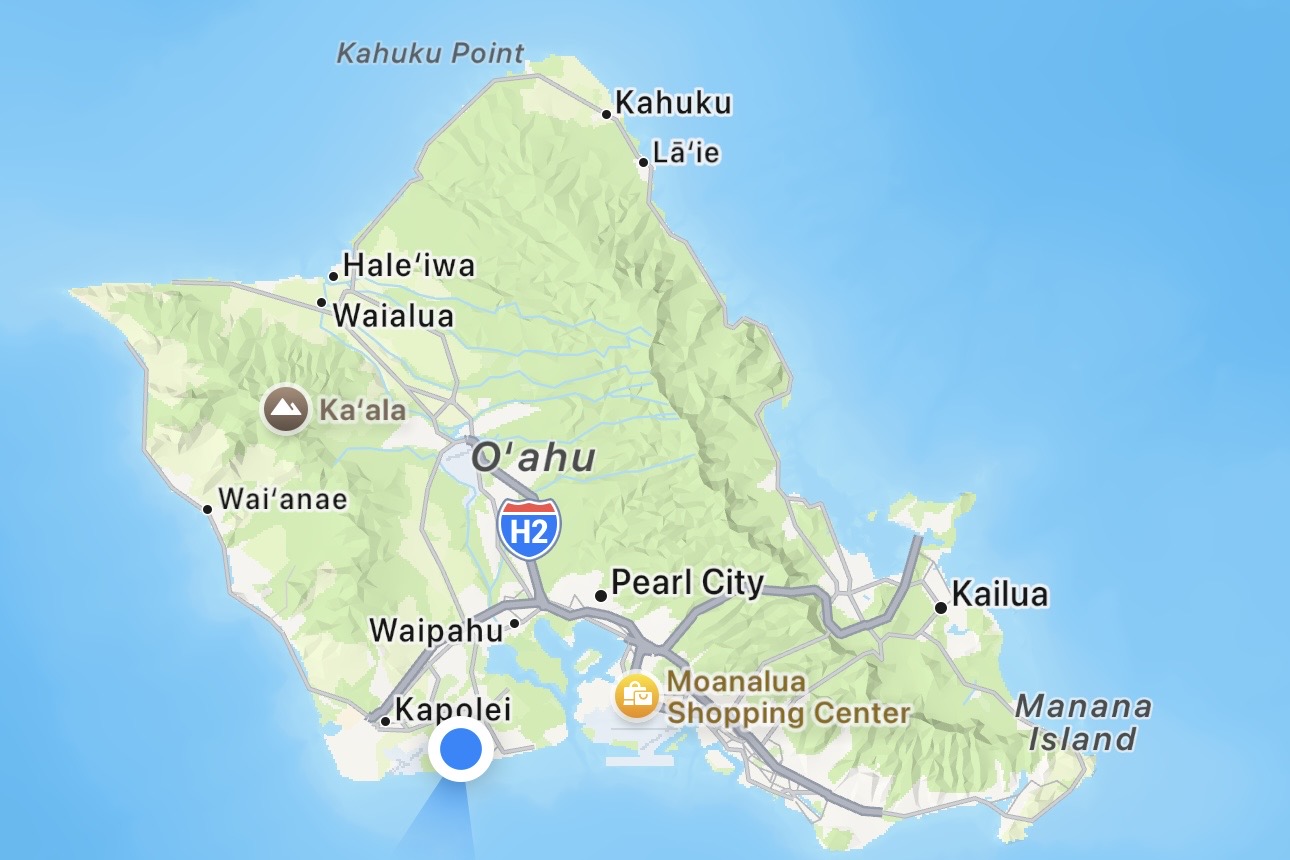
Quick answer: Commute times on Oahu can vary dramatically depending on where you live and which base you work at. A drive that takes 25 minutes without traffic can easily take 50–60 minutes during peak morning congestion.
For military families moving to Hawaii, commute patterns are one of the most important factors when choosing where to live. Many buyers initially focus on home prices or neighborhoods, but after arriving on island they quickly realize that traffic patterns can significantly affect daily life.
This guide provides a realistic overview of common commute routes across Oahu, especially for families stationed at Schofield Barracks, Joint Base Pearl Harbor–Hickam, and Marine Corps Base Hawaii Kaneohe Bay.
Why Commute Planning Matters on Oahu
Unlike many mainland cities, Oahu has limited highway corridors and geographic bottlenecks created by mountains and coastline. That means traffic tends to concentrate on a few major routes such as H-1, H-2, and H-3.
Morning Traffic Can Change the Equation
During the morning rush, traffic flows heavily toward the major bases and Honolulu employment centers. A neighborhood that looks close on a map may still involve a much longer drive than expected.
Many Military Families Choose Homes Based on Commute
In practice, many buyers end up choosing neighborhoods that reduce their commute rather than maximizing house size or lot size. Living closer to base can significantly improve daily quality of life.
Have a quick question about real estate in Hawaii?
 Text MaryJo for Local Guidance
Typical Oahu Commute Times for Major Bases
| From Neighborhood | To Base | Typical Morning Commute | Heavy Traffic Days |
|---|---|---|---|
| Ewa Beach | Pearl Harbor / Hickam | 30–45 minutes | 50–60 minutes |
| Kapolei | Pearl Harbor / Hickam | 25–40 minutes | 45–55 minutes |
| Mililani | Schofield Barracks | 10–20 minutes | 25–30 minutes |
| Mililani | Pearl Harbor | 30–40 minutes | 50 minutes |
| Kailua | Kaneohe MCBH | 10–15 minutes | 20–25 minutes |
| Hawaii Kai | Pearl Harbor | 45–60 minutes | 70+ minutes |
| Makakilo | Pearl Harbor / Hickam | 35–45 minutes | 60 minutes |
These ranges are general observations based on typical commute patterns across Oahu. Traffic conditions vary depending on time of day, accidents, weather, and construction.
How Most Buyers Actually Decide Where to Live
When working with military families relocating to Oahu, commute patterns are usually one of the first things we discuss. Buyers often start their search focused on home price or square footage, but after looking at real commute routes many decide to prioritize a shorter drive instead.
For example, families stationed at Schofield Barracks often gravitate toward Mililani or central Oahu because the commute is significantly shorter. Buyers working at Pearl Harbor or Hickam frequently compare Kapolei, Ewa Beach, and Makakilo depending on their lifestyle preferences.
Understanding these commute patterns early in the home search process helps buyers avoid surprises after they move to the island.
Local Reality: What Living on Oahu Actually Feels Like
These observations come from living on Oahu for more than a decade.
MaryJo and I have lived in several different parts of Oahu over the years: including two years on Hickam, three years in Waikiki, and eight years in Ewa Beach. That perspective gives us a practical sense of how commuting and travel around the island actually works.Hickam Is Not Close to Everything. But It’s Not Far Either
One thing many newcomers notice quickly is that Hickam and Pearl Harbor sit in a very central location. It’s not necessarily “close” to most neighborhoods, but it also isn’t far from them either. Because of that central position, many areas on the island are realistically within a 30–45 minute drive depending on traffic.
Traffic Can Change Quickly Even on Weekends
Another reality of Oahu driving is that traffic patterns can change quickly. Even on weekends it’s not unusual to encounter sudden slowdowns due to beach traffic, events, accidents, or construction. Because of this, many residents get used to building extra buffer time into their drives—especially when heading to the airport.
The Airport Is Close…But People Still Leave Early
Daniel K. Inouye International Airport is physically very close to Hickam and Pearl Harbor, but experienced residents often still plan extra time for the drive. Unexpected traffic can happen at almost any time of day, so many locals hedge their travel times when flights are involved.
The Honolulu Rail Is Becoming More Popular
The Honolulu rail system is gradually becoming more widely used, particularly for commuters traveling between West Oahu and town. Many residents are starting to appreciate the predictability and reliability compared with highway traffic.
While the rail system is still expanding, it’s already changing how some residents think about commuting across the island.
MaryJo McGillicuddy, Realtor Associate, Military Relocation Professional
Century 21 Island Homes
📍 91-1105 Keaunui Dr #520, Ewa Beach, HI 96706
📞 (808) 724-4629
✉️ maryjo@c21islandhomes.com
🌐 sellhomeshawaii.com
Frequently Asked Questions
Is traffic bad on Oahu?
Traffic on Oahu can be significant during peak commuting hours, particularly along the H-1 corridor and near Pearl Harbor. Planning where you live relative to your workplace can dramatically reduce commute stress.
What is the easiest commute for Schofield Barracks?
Mililani and central Oahu communities typically provide the shortest commute to Schofield Barracks.
Is Ewa Beach too far from Pearl Harbor?
Many military families successfully commute from Ewa Beach to Pearl Harbor, but morning traffic can extend the drive during peak hours.


© 2026 MoxiWorks
© CENTURY 21 2026. All rights reserved. CENTURY 21®, C21® and the CENTURY 21 Logo are registered service marks owned by Century 21 Real Estate LLC. Franchisee Legal Entity Name (not the dba) fully supports the principles of the Fair Housing Act and the Equal Opportunity Act. Each franchise is independently owned and operated. Any services or products provided by independently owned and operated franchisees are not provided by, affiliated with, or related to Century 21 Real Estate LLC nor any of its affiliated companies.
