

What Should I Look for When Buying a Home With Leased Solar in Hawaii?
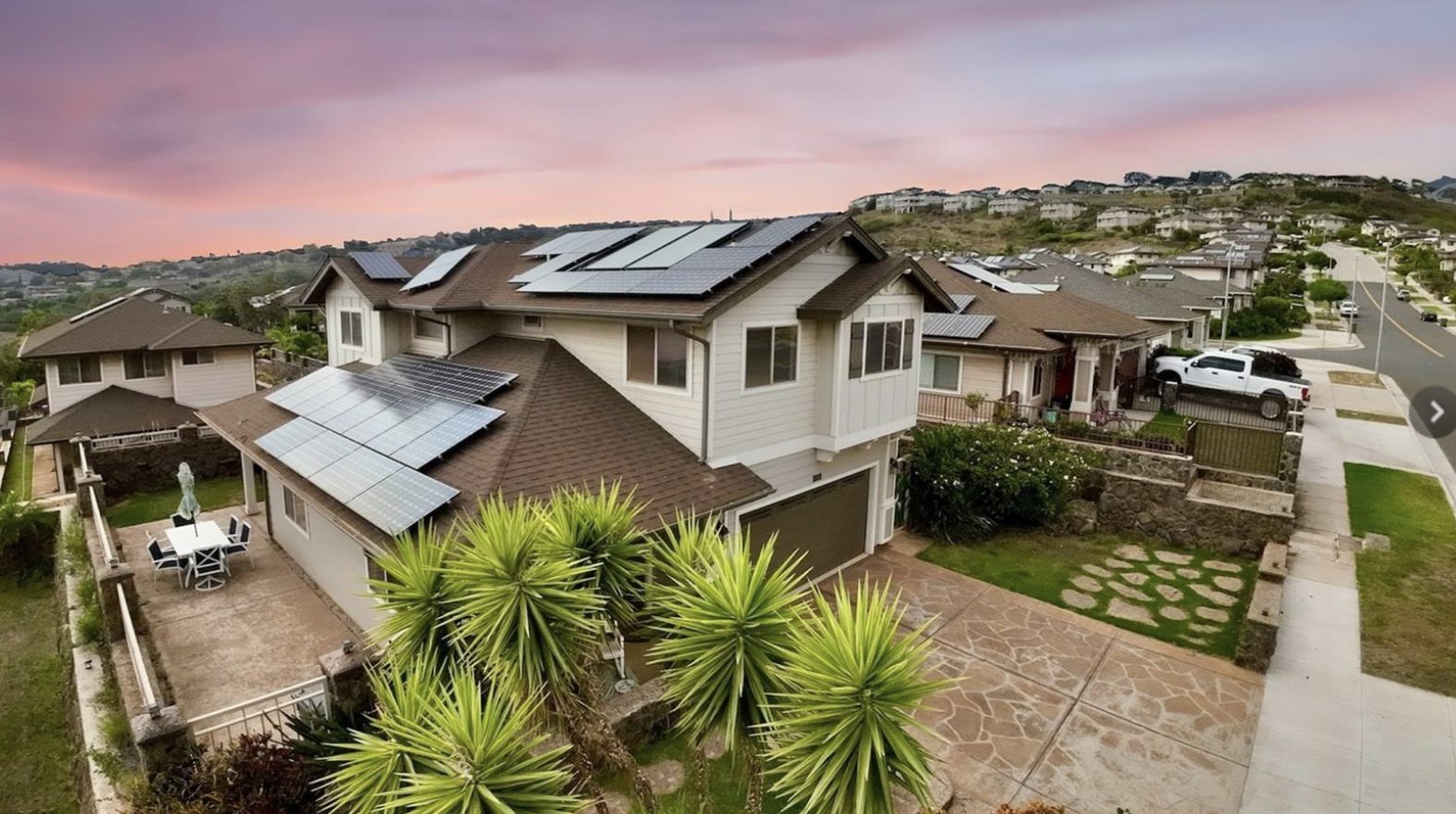
Quick Answer: Before buying a Hawaii home with leased solar, find out exactly what agreement you will be taking over. Ask for the solar contract, current monthly payment, remaining term, transfer requirements, system age and recent electric bills. Solar can be a valuable feature in Hawaii, but you need to understand the agreement as well as the equipment on the roof.
In my experience helping buyers on Oahu, the first question should be simple: Is the solar system owned, leased or covered by a power purchase agreement? Those are very different situations. Do not assume that solar panels automatically come with the house free and clear.
If the system is leased, I want my buyers to see the actual agreement and understand what happens when the property changes ownership. How much is the payment? How many years remain? Does the payment change over time? What is required for the buyer to take over the agreement? Those details can affect both your monthly housing costs and the transaction itself.
I also recommend looking at the bigger picture. Review recent electric bills, the age and condition of the system, any battery storage, warranties and available maintenance records. The goal is to understand what the solar system is actually doing for the home rather than simply seeing panels on the roof and assuming they are saving money.
If you are considering a home on Oahu with leased solar, MaryJo McGillicuddy, Realtor Associate and Military Relocation Professional (MRP), can help you identify the questions to ask and the documents you should review as part of your home purchase. Call or text MaryJo at (808) 724-4629.

I help clients navigate the market with real numbers, local insight, and straightforward advice. No pressure.
Leased Solar: What Should You Check Before Buying?
| What to Check | Why It Matters |
|---|---|
| Owned, Leased or PPA? | Determine exactly what type of solar agreement comes with the home. |
| Monthly Payment | Know what you will pay in addition to your electric bill. |
| Remaining Term | Find out how many years remain on the agreement. |
| Payment Increases | Check whether the payment can increase during the remaining term. |
| Transfer Requirements | Understand what is required for you to take over the agreement when you buy. |
| System Age & Warranty | Review the age of the panels, equipment, warranties and available maintenance records. |
| Battery Storage | Determine whether batteries are included and whether they are owned or part of an agreement. |
| Recent Electric Bills | See what the home has actually been costing to power instead of assuming solar automatically means a low electric bill. |
Do the Math on the Solar, Not Just the House
A leased solar system should be evaluated as part of the cost of owning the home. A house may have a lower electric bill because of its solar system, but if you are also taking over a monthly solar payment, look at both numbers together.
Ask to see several recent electric bills along with the solar agreement. Then compare the home's electricity costs with the lease or power purchase agreement payment. If batteries are installed, find out whether they are owned, leased or included in the same agreement.
Also look beyond today's payment. Some solar agreements include scheduled increases over time. A payment that looks reasonable today may be different several years from now, so read the actual contract rather than relying on a listing description or an estimate of the home's solar savings.
Finally, find out what happens when you eventually sell the home. If another buyer will need to qualify for or assume the agreement, that could become part of your future sale just as it is part of the seller's transaction today.
The important question is not simply, "Does this house have solar?" It is, "What exactly am I agreeing to when I buy this house?" MaryJo can help you gather the documents and identify the real estate questions, while the solar provider can explain the specific financial and contractual terms of the agreement.

MaryJo McGillicuddy, Realtor Associate, Military Relocation Professional
Century 21 Island Homes
📍 91-1105 Keaunui Dr #520, Ewa Beach, HI 96706
📞 (808) 724-4629
✉️ maryjo@c21islandhomes.com
🌐 sellhomeshawaii.com
Frequently Asked Questions
Should I buy a home in Hawaii with leased solar?
A leased solar system is not automatically good or bad. The important thing is understanding the agreement you will be taking over, including the monthly payment, remaining term, possible payment increases, transfer requirements and what the system is actually doing for the home's electricity costs.
What is the difference between owned and leased solar?
With owned solar, the homeowner owns the system. With leased solar, a solar company generally owns the equipment and the homeowner makes payments under an agreement. A power purchase agreement, or PPA, is different again because the homeowner typically pays for the electricity the system produces according to the contract.
Can a solar lease transfer to a new homeowner?
Many solar agreements have a process for transferring the agreement when a home is sold, but the requirements vary. Buyers should review the actual contract and confirm the transfer process with the solar provider before purchasing the home.
Can a leased solar payment increase?
Some agreements may include scheduled payment or rate increases. Review the contract carefully so you understand not only what the system costs today but what you could be paying later in the agreement.
What documents should I ask for when buying a home with solar?
Ask for the solar contract, recent electric bills, information about the panels and equipment, battery information if applicable, warranties, maintenance records and documents explaining how the agreement transfers to a new owner.
Should I look at electric bills before buying a Hawaii home with solar?
Yes. Recent electric bills can help you understand the home's actual electricity usage and costs. If the solar system has a separate monthly payment, consider that payment along with the electric bill when evaluating the home's total energy costs.
What happens to leased solar when I eventually sell the home?
That depends on the agreement. Your future buyer may need to take over the remaining contract or follow another process established by the solar provider. Understanding the transfer provisions before you buy can help you avoid surprises when you eventually sell.
Explore More About Buying a Home on Oahu
What Should I Ask a Realtor Before Buying a Home on Oahu?
Buying a Home Before Arriving for Your Hawaii PCS
VA Loan Hawaii Guide
Explore West Oahu Communities
Ewa Beach Real Estate
Kapolei Real Estate
Ocean Pointe Real Estate
Makakilo Real Estate
Compare West Oahu Neighborhoods
Ewa Beach vs Kapolei: Which Should You Choose?
Makakilo vs Kapolei: Which Should You Choose?
Ocean Pointe Homes, Lifestyle and Local Advice
I help clients navigate the market with real numbers, local insight, and straightforward advice. No pressure.


© 2026 MoxiWorks
© CENTURY 21 2026. All rights reserved. CENTURY 21®, C21® and the CENTURY 21 Logo are registered service marks owned by Century 21 Real Estate LLC. Franchisee Legal Entity Name (not the dba) fully supports the principles of the Fair Housing Act and the Equal Opportunity Act. Each franchise is independently owned and operated. Any services or products provided by independently owned and operated franchisees are not provided by, affiliated with, or related to Century 21 Real Estate LLC nor any of its affiliated companies.
